Category: Electric Motorcycle Reviews

  • Electric Motorcycle Motor: The Definitive Expert Guide — Types, Specs, Comparison & How to Choose 2026

    Electric Motorcycle Motor: The Definitive Expert Guide — Types, Specs, Comparison & How to Choose 2026

    Dr. Elena Vasquez spent six years at a major automotive OEM developing electric drivetrains before she joined a boutique electric motorcycle motor startup in California. “The first thing most people get wrong about the electric motorcycle motor,” she told us, “is thinking of it like an engine. It is not an engine. An engine is a controlled explosion happening over and over again. A motor is a conversation between electrons and magnetic fields. It is elegant in a way that combustion never quite manages to be.” The distinction matters because understanding how an electric motorcycle motor actually works — what makes one specification better than another, why two motors with identical power ratings feel completely different on the road — is the foundation of choosing, building, or evaluating any electric motorcycle intelligently.

    This guide covers everything a rider, builder, or buyer needs to know about the electric motorcycle motor: the physics, the motor types, the key specifications and what they really mean, how production motorcycle motors compare, and how to choose the right electric motor for motorcycle applications — whether you are buying a production bike or building your own.

    Already know which electric motorcycle motor you want? Browse our full electric motorcycle comparison guide — every production model ranked by motor power, torque, and real-world performance.

    Electric Motorcycle Motor: How It Works

    The electric motorcycle motor converts electrical energy into mechanical rotation through the interaction of magnetic fields. In all motor types used in electric motorcycles, this conversion happens through a fundamental electromagnetic principle: a conductor carrying current in a magnetic field experiences a force — and that force produces rotation.

    Every electric motorcycle motor consists of two primary structures: the stator (the stationary component, containing electromagnetic coils wound around iron cores) and the rotor (the rotating component, containing permanent magnets or, in older induction designs, induced magnetic fields). When alternating current is passed through the stator coils in a controlled sequence — managed by the motor controller — it creates a rotating magnetic field. The rotor’s permanent magnets are attracted to and repelled by this rotating field, causing the rotor to spin. The rotor is mechanically connected to the output shaft, which drives the motorcycle’s rear wheel through a sprocket, chain, or belt.

    The key insight that separates the electric motorcycle motor from a combustion engine is the torque curve. A combustion engine builds torque as RPM increases — it has a power band, and getting the most from it requires keeping the engine in that band through gear changes. An electric motorcycle motor produces its maximum torque at zero RPM. The moment the rotor begins to turn, full torque is available. This is the physical reason why electric motorcycles accelerate so dramatically from a standstill — and why experienced riders consistently describe the sensation as unlike anything a combustion machine produces.

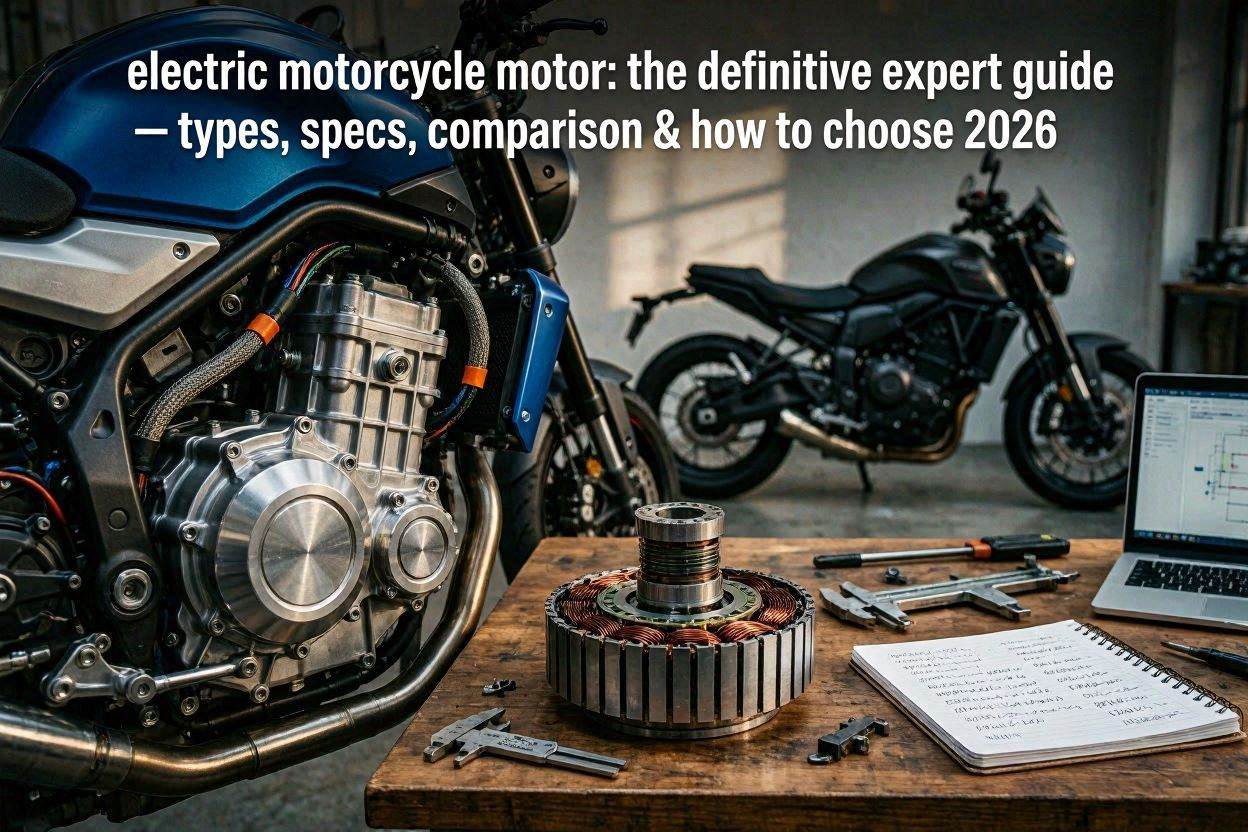
    electric motorcycle motor stator rotor diagram PMSM BLDC how it works 2026
    Electric motorcycle motor anatomy — stator (stationary electromagnetic coils) and rotor (permanent magnets) in a PMSM configuration, as used in the Zero SR/F Z-Force motor and Energica SAM motor.

    Electric Motorcycle Motor Types: BLDC vs PMSM vs AC Induction

    Three primary motor architectures are used in production and conversion electric motorcycles in 2026. Understanding the differences between them is essential for anyone evaluating an electric motorcycle motor specification.

    BLDC — Brushless DC Motor

    The BLDC (Brushless DC) motor is the most widely used electric motorcycle motor architecture globally, found in everything from entry-level electric motorbikes to mid-range production machines and the majority of electric motorcycle conversion builds. Despite its name, a BLDC motor is actually driven by AC current generated by its controller — the “DC” refers to the DC power source (the battery) from which it draws.

    In a BLDC motor, permanent magnets are mounted on the rotor. The stator contains wound coils that are energised in sequence by the controller, creating a rotating magnetic field that drives the rotor. Hall effect sensors (or, in sensorless designs, back-EMF measurement) allow the controller to track rotor position and time the energisation sequence precisely. BLDC motors offer high efficiency (typically 85–93%), good power density, low maintenance (no brushes to replace), and wide controller compatibility. They are the default choice for most electric motorcycle motor conversions and mid-range production machines.

    PMSM — Permanent Magnet Synchronous Motor

    The PMSM (Permanent Magnet Synchronous Motor) is the highest-performance electric motorcycle motor architecture used in production machines. Structurally similar to a BLDC motor — permanent magnets on the rotor, wound stator — the key distinction is in how the motor is controlled and the resulting performance characteristics. A PMSM is driven by sinusoidal AC current (true sine wave, rather than the trapezoidal waveform of a BLDC), which produces smoother torque delivery, lower torque ripple, and superior efficiency across a wider operating range.

    The Zero Motorcycles Z-Force motor (used in the SR/F, SR/S, and FX), the Energica SAM motor, the LiveWire PMAD motor, and the Stark Varg’s custom motor are all PMSM designs. They deliver the best combination of peak power, efficiency across the full operating range, regenerative braking capability, and thermal management. The trade-off is cost and controller complexity — PMSM drives require more sophisticated vector control algorithms (Field Oriented Control, or FOC) than BLDC drives, adding controller cost and programming complexity.

    AC Induction Motor

    AC induction motors — the dominant architecture in industrial electric motors and early production EVs — are now rare in motorcycle applications. Tesla’s early vehicle lineup used induction motors; most current production EVs (including electric motorcycles) have migrated to PMSM for superior power density and efficiency at motorcycle-relevant power levels. Some conversion builders still encounter induction motors salvaged from industrial or automotive sources, but they are not recommended for new electric motorcycle motor builds due to lower efficiency and complexity versus modern BLDC or PMSM options.

    Motor typeEfficiencyTorque at 0 rpmController complexityCostUsed in
    BLDC85–93%✅ Full torqueMediumLow–mediumMost conversion builds, entry/mid-range EV motorcycles
    PMSM90–97%✅ Full torqueHigh (FOC required)Medium–highZero SR/F, LiveWire, Energica, Stark Varg
    AC Induction80–90%⚠️ ReducedHighMediumIndustrial sources, early EV salvage

    Electric Motorcycle Motor: Hub Motor vs Mid-Drive

    Beyond motor architecture, placement is the second most important design decision in any electric motorcycle motor system. Two configurations dominate: hub motors and mid-drive (centrally mounted) motors.

    Hub Motor Motorcycle

    A hub motor integrates the electric motorcycle motor directly into the wheel hub — typically the rear wheel. The motor’s stator is fixed to the axle; the rotor is the hub itself, rotating around the stator and driving the wheel directly. Hub motors are mechanically simple — no chain, belt, or secondary drive required between the motor and the wheel. They also allow fully independent motor and suspension operation.

    Hub motors are popular in lighter applications: electric scooters, Sur-Ron style lightweight trail bikes, and some entry-level electric motorbikes. Their limitations in full-size motorcycle applications include: unsprung weight increase (the motor mass is part of the unsprung wheel assembly, affecting suspension dynamics), limited torque multiplication (no gear reduction between motor and wheel), and the physical constraints of packaging sufficient motor power within a wheel hub. For full-performance road motorcycles, most manufacturers prefer mid-drive configurations for these reasons.

    Mid-Drive Electric Motorcycle Motor

    A mid-drive electric motorcycle motor is mounted centrally in the frame — typically where the combustion engine would sit — and drives the rear wheel through a chain, belt, or shaft drive with a fixed reduction ratio. This configuration offers several advantages over hub motors: the motor’s mass is positioned low and central in the frame, optimising weight distribution; a gear reduction ratio can be selected to multiply torque at the wheel; and the motor can be optimised for its preferred operating speed range rather than being constrained by wheel diameter and direct drive ratios.

    All major performance electric motorcycle motors in production — Zero’s Z-Force, Energica’s SAM, the LiveWire PMAD, the Stark Varg motor — use mid-drive configurations with sprocket and chain or belt final drive. This is the correct architecture for any performance-oriented electric motorcycle motor application.

    Electric Motorcycle Motor: Key Specifications Explained

    Reading an electric motorcycle motor specification sheet requires understanding what the numbers actually mean — and where manufacturers sometimes present figures in ways that flatter the specification without fully representing real-world performance.

    Peak Power vs Continuous Power

    The single most important distinction in any electric motorcycle motor specification is the difference between peak power and continuous power. Peak power is the maximum output the motor can produce for a short burst — typically 10–60 seconds before thermal limiting reduces output. Continuous power is what the motor sustains indefinitely without thermal derating. A motor rated at “80 kW peak / 35 kW continuous” can sprint at 80 kW but will reduce to 35 kW for sustained high-power riding. For comparison: the Zero SR/F’s Z-Force motor is rated at 82 kW peak / 62 kW continuous — an unusually strong continuous rating that reflects the Z-Force’s liquid-cooled architecture.

    Torque

    Motor torque in an electric motorcycle motor is typically stated as motor shaft torque (Nm at the motor output shaft) or wheel torque (Nm at the rear wheel, after the final drive ratio). These figures are very different — a motor producing 150 Nm at the shaft through a 5:1 final drive ratio delivers 750 Nm at the wheel. Always confirm which figure is being stated. Zero’s SR/F produces 190 Nm at the rear wheel — this is the wheel torque figure. The Stark Varg produces approximately 938 Nm at the rear wheel through its drive ratio from a motor producing significantly less shaft torque.

    Voltage and Current

    The operating voltage of an electric motorcycle motor is matched to the battery system voltage. Most quality production electric motorcycles operate at 72V–400V depending on segment and power targets. Higher voltage systems — like Energica’s 400V platform — can deliver the same power at lower current, reducing cable and connector sizing requirements and improving efficiency. For conversion builders, matching motor voltage rating to battery voltage is non-negotiable — overvoltage damages motor insulation and can cause catastrophic failure.

    Efficiency

    Motor efficiency is expressed as the percentage of electrical input power that is converted to mechanical output power — the rest is lost as heat. A PMSM motor operating at its efficiency sweet spot (typically mid-RPM, mid-torque) achieves 92–97% efficiency. At very low or very high torque/speed combinations, efficiency drops. This is why manufacturers publish efficiency maps (or “efficiency islands”) rather than single efficiency figures — real-world electric motorcycle motor efficiency varies across the operating range, and understanding this variation helps riders maximise range.

    RPM / Speed

    The no-load maximum RPM of an electric motorcycle motor determines, in combination with the final drive ratio, the motorcycle’s maximum road speed. Zero’s Z-Force motor spins to approximately 5,000 RPM; through Zero’s final drive ratio, this produces approximately 102 mph top speed for the SR/F. Conversion builders select their final drive sprocket ratio to achieve their target top speed from their chosen motor’s RPM range — a critical calculation in any motorcycle motor conversion project.

    SpecificationWhat to look forRed flag
    Peak powerStated with duration (e.g. “82 kW for 30s”)Peak only stated, no continuous figure
    Continuous power≥50% of peak for quality motorsContinuous much lower than peak (thermal limitation)
    TorqueWheel torque stated clearlyOnly motor shaft torque stated (appears larger)
    VoltageMatches battery system exactlyVague “nominal voltage” without min/max range
    EfficiencyPeak efficiency map or % at rated powerSingle peak efficiency only, no range data
    CoolingLiquid-cooled for sustained high powerAir-cooled at >20 kW continuous (thermal risk)
    IP ratingIP65 minimum for motorcycle useNo IP rating stated (water ingress risk)

    Electric Motorcycle Motor: Production Models Compared

    Here is how the electric motorcycle motors in the most significant production machines of 2026 compare across the key specifications that matter to riders:

    ModelMotorTypePeak powerCont. powerPeak torque (wheel)Cooling
    Zero SR/FZ-Force 75-10PMSM82 kW62 kW190 NmLiquid
    LiveWire OnePMADPMSM78 kW~52 kW~145 NmLiquid
    Energica Ego+SAM (custom)PMSM107 kW~65 kW~215 NmLiquid
    Stark Varg MXCustom PMSMPMSM80 kW~55 kW~938 NmLiquid
    Zero FXZ-Force 75-5PMSM46 kW34 kW~106 NmAir
    KTM Freeride E-XCKTM custom PMSMPMSM30 kW18 kW~N/A wheelAir
    Kawasaki Ninja E-1Custom PMSMPMSM~12 kW9 kW~40 NmAir

    The most important observation from this comparison: all high-performance production electric motorcycle motors use PMSM architecture with liquid cooling. Liquid cooling is not a luxury feature — at sustained power outputs above 30–40 kW, air-cooled motors thermally derate (reduce power output) to protect themselves. The Zero SR/F’s 62 kW continuous rating versus the FX’s 34 kW continuous rating reflects precisely this difference: both use Z-Force PMSM motors, but the SR/F’s liquid cooling enables dramatically higher sustained output.

    electric motorcycle motor comparison 2026 Zero Z-Force Energica SAM Stark Varg PMSM production
    The three most capable production electric motorcycle motors of 2026 — Zero Z-Force 75-10 (left), Energica SAM (centre), Stark Varg custom PMSM (right). All use liquid-cooled PMSM architecture.

    Electric Motorcycle Motor for Conversion Builds: How to Choose

    For builders selecting an electric motor for motorcycle conversion projects, the choice involves balancing power targets, frame packaging constraints, budget, and controller compatibility. Here is the systematic approach experienced conversion builders use.

    Step 1 — Define your power target

    Most classic motorcycle conversion builds target 15–50 kW of peak power — sufficient for genuine road performance without extreme packaging challenges. A 15–20 kW motor delivers performance comparable to a 300–400cc gas bike. A 30–50 kW motor delivers performance in the Zero FX / FXE range. Targeting above 50 kW peak in a custom conversion requires liquid cooling, large-format battery packs, and advanced controller selection — appropriate for experienced builders only.

    Step 2 — Select motor architecture

    For most conversion builds, a BLDC motor from Motenergy (ME1616, ME1302, ME0913) paired with a Kelly Controls or Alltrax controller provides the most accessible and well-documented path to a working electric motorcycle motor system. For higher-performance builds where efficiency and sustained power matter, a PMSM motor with a compatible FOC controller (Sevcon Gen4, Tritium WaveSculptor, or similar) delivers superior results at higher cost and complexity.

    Step 3 — Match voltage to battery

    • 48V–72V systems: accessible battery voltage, wide controller compatibility, appropriate for 5–20 kW builds. Common in lightweight conversions and budget builds.
    • 72V–96V systems: the sweet spot for mid-range conversions (15–35 kW). Motenergy ME1616 at 72–96V is the most popular choice at this level.
    • 96V–144V systems: higher performance territory (30–60 kW). Requires more care in component selection and wiring; rewards with significantly improved continuous power capability.
    • 144V+ systems: high-performance conversion territory. Exceptional power possible but demands professional-grade components, careful BMS selection, and thorough HV safety practices.

    Recommended motors for conversion by power level

    Power targetRecommended motorVoltage rangeApprox. motor costController match
    5–15 kWMotenergy ME091348–72V~$600–$900Kelly KLS / Alltrax AXE
    15–30 kWMotenergy ME161672–96V~$900–$1,400Kelly KLS / Sevcon Gen4
    20–40 kWMotenergy ME130272–144V~$1,200–$1,800Kelly KEB / Sevcon Gen4
    30–60 kWHPEVS AC-51 / AC-7596–144V~$2,000–$3,500Curtis 1238 / Sevcon Gen4
    50+ kWEV salvage (Leaf, Tesla SDU)300–400V~$500–$3,000 (used)OEM inverter or OpenInverter

    Electric Motorcycle Motor Cooling: Why It Matters More Than Peak Power

    Thermal management is the least glamorous but most practically important aspect of any electric motorcycle motor specification. Every motor produces heat as a byproduct of electrical resistance in the windings and magnetic losses in the iron — and heat is the primary enemy of motor longevity and sustained performance.

    An air-cooled electric motorcycle motor relies on the motor casing surface area and ambient airflow to dissipate heat. At power outputs below 20–25 kW, this is generally adequate for typical road riding. Above this level — particularly in sustained high-load scenarios like motorway overtaking, hill climbing, or track use — air cooling becomes insufficient and the motor’s thermal protection system reduces power output to protect the windings. This is motor “derating” — and it explains why the Zero FX (air-cooled, 46 kW peak / 34 kW continuous) cannot sustain its peak power output the way the liquid-cooled SR/F can.

    Liquid cooling circulates coolant through channels in the motor stator, removing heat far more efficiently than air alone. According to the U.S. Department of Energy’s electric motor thermal management research, liquid cooling enables 3–5× higher continuous power density compared to equivalent air-cooled designs. For high-performance production electric motorcycles and ambitious conversion builds, liquid cooling is the correct choice above ~25 kW continuous.

    FAQ — Electric Motorcycle Motor

    What type of motor do electric motorcycles use?

    Most production electric motorcycles use PMSM (Permanent Magnet Synchronous Motor) architecture — the most efficient and highest-performance option currently available. Entry-level and mid-range machines may use BLDC (Brushless DC) motors, which offer good performance at lower cost. The specific electric motorcycle motor types used by leading brands: Zero Motorcycles uses PMSM (Z-Force series), LiveWire uses PMSM (PMAD), Energica uses PMSM (SAM), Stark Future uses a custom PMSM. Older or lower-cost electric motorcycles may use BLDC motors or, rarely, AC induction motors.

    How powerful is an electric motorcycle motor?

    Production electric motorcycle motor power outputs range from approximately 1.7 kW (Honda EM1 e: — learner/urban segment) to 107 kW (Energica Ego+ — high-performance segment). Most full-size adult electric motorcycles in the mainstream market produce 35–82 kW peak. The Zero SR/F produces 82 kW peak / 62 kW continuous — comparable to a 600–750cc gas sportsbike in terms of real-world performance. The Stark Varg produces 80 kW in a 110 kg package — the highest power-to-weight ratio of any production electric motorcycle motor in 2026.

    What is the difference between a BLDC and PMSM electric motorcycle motor?

    Both BLDC and PMSM electric motorcycle motors use permanent magnets on the rotor and wound coils in the stator. The key difference is in how current is delivered to the stator: BLDC motors use trapezoidal current waveforms (simpler to control, lower cost), while PMSM motors use sinusoidal waveforms via Field Oriented Control (higher efficiency, smoother torque, better performance across a wider operating range, but requiring more sophisticated and expensive controllers). For maximum performance and efficiency, PMSM is superior. For accessible conversion builds on a budget, BLDC provides excellent results at lower cost.

    How does an electric motorcycle motor produce instant torque?

    The instant torque of an electric motorcycle motor is a direct consequence of its operating principle. In a PMSM or BLDC motor, the stator’s rotating magnetic field and the rotor’s permanent magnets interact immediately — the moment current flows, force is produced on the rotor. There is no need to build up combustion pressure, no delay for a flywheel to store rotational energy, and no RPM threshold below which torque is unavailable. The motor’s maximum torque is available from the first instant of operation, at zero RPM, and remains available throughout the usable RPM range — typically decreasing only as the back-EMF of the spinning motor limits current at high speeds.

    How do I choose an electric motor for a motorcycle conversion?

    The key selection criteria for an electric motor for motorcycle conversion are: target power output (kW), system voltage (must match your planned battery), motor physical dimensions (must fit in your donor frame), final drive compatibility (sprocket or pulley must mate to your chosen drivetrain), and controller availability (a matched, well-supported controller must exist for your chosen motor). Start with Thunderstruck Motors or EVWest — both offer matched motor and controller packages with technical support, significantly reducing the selection complexity for first-time builders.

    What is the lifespan of an electric motorcycle motor?

    A quality PMSM or BLDC electric motorcycle motor has no brushes or other wearing contact surfaces — its primary wear mechanisms are bearing degradation and winding insulation breakdown over time. Quality motorcycle motors from established manufacturers are designed for 100,000+ km service life under normal operating conditions. Motor lifespan is primarily limited by: sustained operation above rated temperature (damages winding insulation), contamination by water or debris (causes insulation breakdown or bearing damage), and mechanical shock from crashes or extreme off-road use. Zero Motorcycles provides a 5-year / unlimited mileage warranty on their Z-Force motor — reflecting genuine confidence in motor longevity.

    Verdict: Understanding the Electric Motorcycle Motor Changes How You Ride and Buy

    Dr. Vasquez’s insight — that an electric motorcycle motor is a conversation between electrons and magnetic fields rather than a series of controlled explosions — is more than poetic. It is practically useful. Riders who understand that their motor produces maximum torque at zero RPM ride differently: they use that torque deliberately, building speed from corners with an authority that gas bikes require specific RPM bands to match. Builders who understand BLDC versus PMSM make better component choices. Buyers who understand continuous versus peak power are not misled by headline figures.

    The electric motorcycle motor is the defining component of the electric motorcycle experience. Every choice that follows — battery size, controller selection, final drive ratio, cooling architecture — is made in service of what the motor can do. Understanding it deeply makes every other decision clearer.

    Ready to put this knowledge to work? Our full electric motorcycle comparison guide breaks down the motor specifications of every production model in 2026 — with real-world performance data alongside the spec sheet numbers. And our dealer directory connects you with authorised stockists across the US, UK, and EU.
  • Electric Kids Motorcycle: The Complete Age-by-Age Guide — Best Models, Safety & Buyer Advice 2026

    Electric Kids Motorcycle: The Complete Age-by-Age Guide — Best Models, Safety & Buyer Advice 2026

    Jess bought her son Luca a electric kids motorcycle for his sixth birthday. She had expected him to ride it twice and lose interest — the usual trajectory of expensive outdoor toys. Instead, he rode it every single day for four months straight. He learned throttle control. He learned how to corner. He started asking questions about real motorcycles. “I didn’t expect it to become a thing,” she told us. “But it turned into his whole personality. He wants to race now.” Luca is eight. He’s already on his second electric kids motorcycle, and Jess is pricing up a KTM SX-E 3.

    The electric kids motorcycle category has transformed in the last three years. What was once a market of fragile, underpowered ride-on toys has evolved into a serious segment spanning everything from battery-powered toddler ride-ons to full competition-grade youth electric dirt bikes that race in sanctioned AMA events. The technology is better, the build quality has improved dramatically, and the age range has expanded to cover every stage of a young rider’s development. This guide covers every tier — from the best electric kids motorcycle for a 2-year-old to the most capable youth machines for serious young riders — with honest recommendations for every budget and age group.

    Looking for the best electric kids motorcycle deals and current pricing? See our full electric motorcycle shop directory — authorised dealers and verified retailers across the US, UK, and EU.

    Electric Kids Motorcycle: Why Electric Is Better Than Gas for Young Riders

    For parents who rode gas-powered minibikes or 50cc motorcycles as children, the shift to electric kids motorcycles might seem like a compromise. It is not. For young riders specifically, electric powertrains offer advantages that gas engines cannot match — and the reasons go beyond environmental preference.

    • No stall, no clutch — more confidence faster — a gas 50cc bike stalls. A young rider who has not yet developed clutch coordination stalls it repeatedly, gets frustrated, and loses momentum. An electric kids motorcycle simply goes when the throttle is opened and stops when it is released. Children learn throttle control and cornering without the additional cognitive load of gear and clutch management. The learning curve is dramatically faster.
    • Adjustable speed limits — most quality electric kids motorcycles include speed limiters or multiple riding modes that parents can set to match the child’s current ability level. A 5-year-old runs the machine at 5 mph; the same machine at 12 mph when confidence and skill have developed. Gas bikes offer no equivalent progression without mechanical changes.
    • Near-silent operation — electric kids motorcycles are quiet. Parents and neighbours appreciate this enormously. Riding sessions that would disturb a neighbourhood on a gas 50cc are unobtrusive on an electric motorcycle for kids. This also means more riding locations are accessible — suburban gardens, quiet car parks, and indoor facilities all become viable.
    • Zero exhaust emissions — children are more vulnerable to exhaust fume exposure than adults. Indoor or semi-enclosed riding with a gas bike exposes young lungs to combustion products. An electric kids motorcycle produces zero exhaust emissions at the point of use.
    • Lower maintenance burden for parents — no oil changes, no carburettor jetting, no air filter cleaning, no fuel mixing (for two-strokes). Parents who are not mechanically experienced can confidently own and maintain an electric kids motorcycle with basic checks: charge the battery, check tyre pressure, inspect brake function.
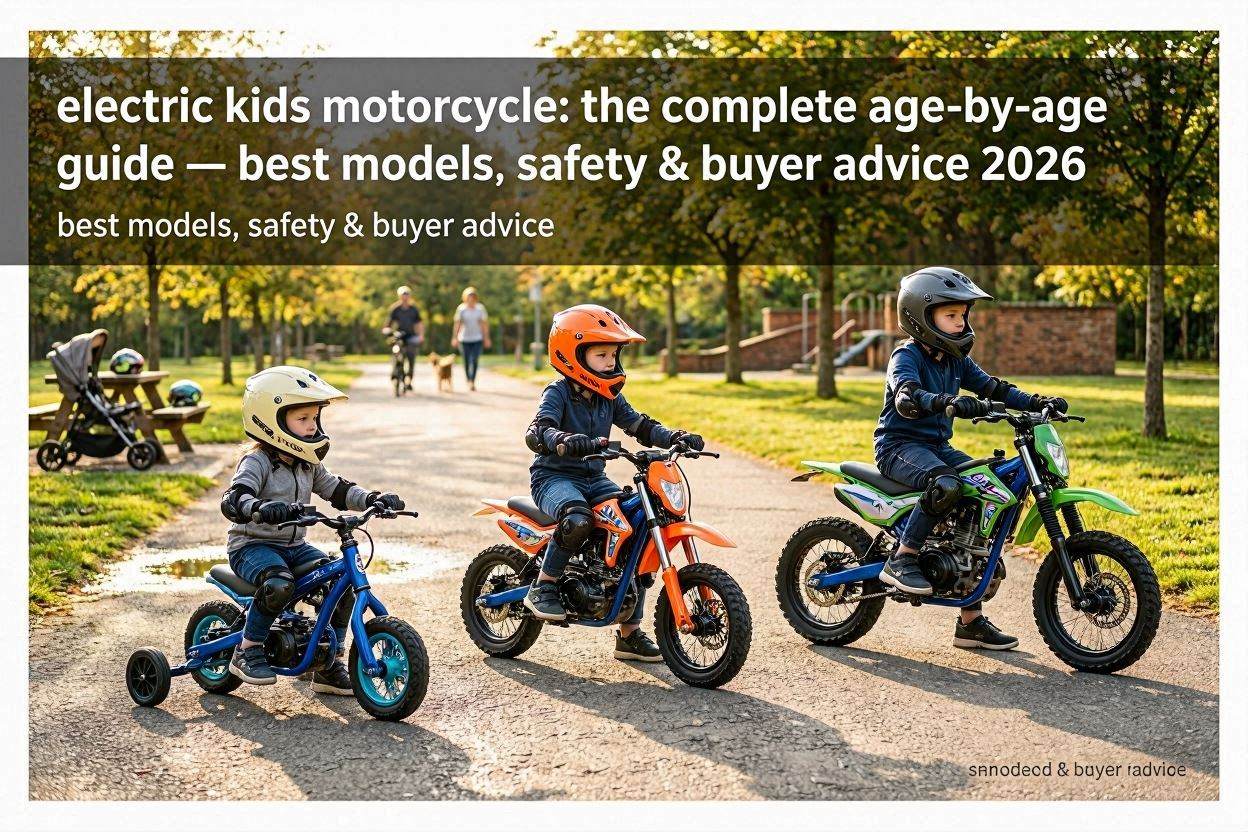
    electric kids motorcycle best models 2026 age guide toddler youth junior dirt bike
    Electric kids motorcycle age guide 2026 — from toddler ride-ons to full-competition youth electric dirt bikes, the category covers every stage of young rider development.

    Electric Kids Motorcycle by Age: The Complete Guide

    Choosing the right electric kids motorcycle starts with matching the machine to the child’s age, weight, and experience level. Here is the definitive age-by-age breakdown for 2026.

    Electric Kids Motorcycle Ages 2–4: Ride-On Starters

    At ages 2–4, the electric kids motorcycle is a ride-on toy — battery powered, low speed, stable, and designed to introduce the concept of throttle control and balance in a completely safe format. These machines typically run on 6V or 12V batteries, reach 2–5 mph maximum, and are designed to be ridden on flat surfaces like driveways, gardens, and indoor play areas.

    The Power Wheels range — specifically the Power Wheels Motorcycle and Harley-Davidson variants — dominates this segment in the US. Built by Fisher-Price, these electric ride-on motorcycles are robust, widely available, and backed by solid brand support. The Peg Perego Ducati and similar licensed ride-ons offer similar capability with higher-end styling at a slightly higher price point. Budget: $80–$250.

    Electric Kids Motorcycle Ages 4–6: First Real Bikes

    Between ages 4 and 6, children develop the coordination and attention span to begin learning genuine motorcycle fundamentals on a proper electric kids motorcycle. Machines in this segment are larger than ride-ons, with real suspension (basic), proper throttle mechanisms, and speeds of 5–15 mph depending on model and speed setting.

    The Razor Dirt Rocket MX350 is the most widely recommended entry at this age — proven, widely available at approximately $200–$280, and durable enough to survive the inevitable tumbles of early learning. The MX350’s 350W motor delivers enough performance to feel real without being intimidating, and the single-speed twist throttle is intuitive for young riders. For families wanting to step up, the Razor MX650 (~$350–$400) offers more power and larger wheels for older or more confident riders in this age bracket.

    Electric Kids Motorcycle Ages 6–10: Proper Training Bikes

    Ages 6–10 represent the critical window where riding skills develop most rapidly and the quality of the machine has the greatest impact on long-term rider development. Children at this age can handle genuine off-road riding on appropriate terrain, and the best electric kids motorcycles for this group are proper junior motorcycles — not toys — with real suspension travel, hydraulic or mechanical disc brakes, and power delivery calibrated for skill development.

    The standout recommendation at this age is the KTM SX-E 3 — the junior electric motocross bike from KTM’s competition-proven SX-E range. Delivering 3 kW of power in a 35 kg package, the SX-E 3 is the machine serious junior riders use in sanctioned competition. For families whose priority is fun trail riding rather than competition, the MotoTec 36V (500W, ~20 mph, ~$350–$500) offers accessible performance at a fraction of the cost.

    Electric Kids Motorcycle Ages 10–14: Junior Competition Machines

    From age 10, the most committed young riders begin moving toward machines that are one step below adult performance — and the youth electric dirt bike segment at this level is genuinely impressive. The KTM SX-E 5 (5 kW, ~55 mph, ~$5,500) and the Gas Gas MC-E 5 (equivalent specification) are the benchmark machines, used in junior MX racing series across the US and Europe. The Sur-Ron Light Bee X (~$4,500) is a popular alternative for trail riding, offering lighter weight and lower seat height than the KTM, at the cost of some competition-specific capability.

    Age groupRecommended modelMotor / VoltageTop speedPrice (approx.)Best for
    2–4 yearsPower Wheels Motorcycle / Peg Perego6V–12V2–5 mph$80–$250Driveway / garden ride-on
    4–6 yearsRazor MX350 / MX40024V / 350W~14 mph$200–$300Flat terrain, supervised learning
    5–8 yearsMotoTec 36V 500W36V / 500W~20 mph$350–$500Garden / private land
    6–10 yearsKTM SX-E 33 kW~40 mph~$4,000Junior MX / trail
    6–12 yearsGas Gas MC-E 33 kW~40 mph~$4,000Junior MX / trail
    10–14 yearsKTM SX-E 55 kW~55 mph~$5,500Junior competition MX
    10–14 yearsSur-Ron Light Bee X6 kW peak~45 mph~$4,500Trail / recreational
    12+ years (teen)MotoTec 72V 3000W72V / 3,000W~50 mph~$1,000Budget trail / private land

    Best Electric Kids Motorcycle Models in 2026: Full Reviews

    Razor MX350 Dirt Rocket — Best Entry-Level Electric Kids Motorcycle

    The Razor MX350 Dirt Rocket is the most widely purchased electric kids motorcycle in the US — and with good reason. It has a proven, durable design that has been refined over multiple generations; a 350W chain-driven motor delivering ~14 mph maximum; a 24V sealed lead-acid battery with approximately 30 minutes of continuous riding; and a full motocross aesthetic that makes it visually exciting for young riders. It is not a serious off-road machine, but for flat garden and driveway riding with ages 7–12, it is the most reliable recommendation at its price point (~$200–$280). The Razor MX650 upgrades to a 650W motor, 17 mph top speed, and larger wheels — better suited to older or heavier children at approximately $350–$400.

    KTM SX-E 3 / SX-E 5 — Best Competition Youth Electric Motorcycle

    For families serious about junior motocross, the KTM SX-E 3 and KTM SX-E 5 are the benchmark electric kids motorcycles for competition. Built on KTM’s proven junior motocross platform, the SX-E series delivers factory-quality suspension (WP Xact), hydraulic disc brakes, and electric power calibrated for junior racing. The SX-E 3 (3 kW, for ages approximately 6–10) and SX-E 5 (5 kW, ages 10–14) are both used in AMA-sanctioned junior electric classes and FIM junior championships. They require a significant investment ($4,000–$5,500), but for a rider with genuine competitive ambition, no junior electric motorcycle for kids approaches their capability and build quality.

    Gas Gas MC-E 3 / MC-E 5 — Best Alternative to KTM

    The Gas Gas MC-E 3 and MC-E 5 share their core engineering with the KTM SX-E series (both are part of the KTM Group) but offer equivalent performance in Gas Gas’s distinctive red livery at a similar price point. For junior riders who prefer the Gas Gas brand identity — or whose local dealer network is stronger for Gas Gas than KTM — these are equally valid competition choices. Specification, performance, and ride quality are functionally equivalent to the KTM equivalents.

    Sur-Ron Light Bee X — Best Electric Kids Motorcycle for Trail Riding

    The Sur-Ron Light Bee X occupies a unique position as a youth electric motorcycle — it is technically an adult machine at its base specification, but its 50 kg weight, 760mm seat height, and adjustable power modes make it accessible for tall, confident riders from approximately age 12–13. For families whose priority is trail riding fun rather than competition, the Light Bee X’s combination of capable off-road performance, relatively affordable price (~$4,500), and rider-adjustable power make it an excellent option for the upper end of the youth rider age range transitioning toward adult machines.

    MotoTec 36V / 72V — Best Budget Electric Kids Motorcycle

    For families who want a real electric kids motorcycle — not a ride-on toy — without spending $4,000+, MotoTec offers the most credible budget options. The MotoTec 36V 500W (~$350–$500) is a proper junior dirt bike with adjustable speed, a chain-driven motor, and full motocross styling suitable for ages 7–12. The MotoTec 72V 3000W (~$800–$1,200) steps up significantly for older/heavier riders, delivering ~50 mph top speed and a 72V lithium battery system. Build quality is not at KTM or Razor levels, but MotoTec machines offer genuine performance per dollar and are widely available through Amazon and independent retailers.

    electric kids motorcycle comparison 2026 razor mx350 ktm sxe3 surron light bee youth
    Three tiers of the electric kids motorcycle market in 2026 — Razor MX350 (entry), KTM SX-E 3 (competition), Sur-Ron Light Bee X (trail/teen).

    Electric Kids Motorcycle for Toddlers: Ride-On and Power Wheels Guide

    The youngest tier of the electric kids motorcycle market — ride-ons and Power Wheels for ages 2–5 — requires different evaluation criteria from performance machines. Safety, durability, ease of use for the parent, and the ability to survive the abuse a toddler inflicts on a toy are the primary considerations.

    Best ride-on electric motorcycles for toddlers

    • Power Wheels Harley-Davidson Motorcycle — the most iconic battery powered child’s motorcycle in the US market. 6V battery, two speeds (2.5 mph and 5 mph), parental speed lock, and Harley-Davidson styling. Recommended for ages 3–5. Available from Amazon, Walmart, and major toy retailers. Price: ~$80–$150.
    • Peg Perego Ducati GP — 12V — one of the most visually realistic toddler electric motorcycle ride-ons available. 12V battery, rubber tyres, working headlight, and authentic Ducati GP styling. Recommended for ages 3–7. Price: ~$200–$300.
    • 12V Ride-On Motorcycle (generic / Aosom / Costzon) — a wide range of 12V electric ride-on motorcycles is available from $80–$180 through Amazon and Walmart. Build quality varies; look for models with parental remote control, adjustable speed limiters, and MP3/USB inputs for music (popular with young riders). Recommended for ages 3–6.
    • Police Power Wheels Motorcycle / themed ride-ons — licensed police, fire department, and racing team variants of the basic Power Wheels platform. Same 6V–12V specification, themed styling. Popular as birthday gifts for ages 3–6. Price: ~$100–$200.

    Electric Kids Motorcycle Safety: Essential Gear and Parent Guidance

    No guide to the electric kids motorcycle category is complete without a direct address of safety — both the protective equipment required and the supervision and riding environment standards that protect young riders. According to the National Highway Traffic Safety Administration (NHTSA), head injury is the leading cause of fatal motorcycle accidents across all age groups. For young riders on electric kids motorcycles, appropriate protective equipment is non-negotiable regardless of speed or terrain.

    Essential protective gear for young electric motorcycle riders

    • Helmet — a properly fitted, age-appropriate motorcycle helmet is the single most important piece of protective equipment. For off-road riding, use a full-face motocross helmet certified to DOT or ECE 22.06 standards. Never use a bicycle helmet on an electric kids motorcycle — they are not rated for motorcycle impact speeds. Brands including Fox Racing, Shoei, and Bell offer junior-specific motocross helmets from approximately $60–$200.
    • Gloves — motocross gloves protect palms and knuckles in falls and improve grip in all conditions. Junior sizing is available from Fox, O’Neal, and Thor from approximately $15–$40.
    • Boots — ankle and foot injury is common in motorcycle accidents for all ages. Motocross boots provide essential ankle protection and grip. Junior motocross boots are available from $50–$150.
    • Body armour / chest protector — for riders progressing beyond basic ride-ons, a chest protector and elbow/knee pads are strongly recommended. Fox, Alpinestars, and Leatt offer junior-specific protective gear from $30–$120 per component.
    • Goggles — for off-road riding on any terrain, goggles protect eyes from debris, dust, and mud. Match goggles to the helmet for best fit and coverage.

    Supervision and riding environment guidelines

    • Ages 2–6: always within arm’s reach of an adult. Ride-ons only. Flat, fenced areas. Remove obstacles. Supervise continuously.
    • Ages 6–10: adult supervision at all times. Private land or dedicated off-road facilities only. No public roads under any circumstances. Confirm the riding area is clear of hazards before each session.
    • Ages 10–14: adult present at all times. Dedicated off-road tracks or private land. Begin introducing formal instruction — local MX clubs and junior riding schools provide structured progression that significantly improves safety outcomes.
    • All ages: always conduct a pre-ride check — battery charge level, brake function, tyre pressure, throttle return, and chain/belt tension (where applicable).

    Electric Kids Motorcycle Buying Guide: What to Look for in 2026

    With the electric kids motorcycle market now spanning $80 ride-ons to $5,500 competition machines, navigating the buying decision requires a clear framework. Here are the key factors that should drive your decision:

    FactorWhat to assessWhy it matters
    Age & weight ratingCheck manufacturer min/max weight and ageOverweight riders damage motors and frames; underweight riders lose control
    Speed limiter / riding modesAdjustable top speed or multiple power modesAllows the bike to grow with the rider over months/years
    Battery type & charge timeLithium-ion preferred over lead-acidLithium = lighter, faster charging, longer lifespan; lead-acid = heavy, slow
    Brake typeDisc brakes preferred; drum acceptable for low speedsStopping power matters even at low speeds for young riders
    Warranty & parts availabilityMinimum 1-year warranty; check parts availabilityBudget brands often have no replacement parts after 6–12 months
    Spare battery availabilityCan you buy a second battery?Doubles riding time; essential for serious young riders
    Brand dealer networkKTM, Gas Gas, Razor — established dealer supportWarranty claims and servicing are practical only with dealer access

    FAQ — Electric Kids Motorcycle

    What is the best electric kids motorcycle for a 5-year-old?

    The best electric kids motorcycle for a 5-year-old depends on prior riding experience. For a first bike with no riding experience, the Razor MX350 (~$200–$280) is the most widely recommended — proven, durable, appropriately powered, and affordable. For a child who has already ridden a ride-on or balance bike and shows strong coordination, the MotoTec 36V 500W (~$350–$500) offers a step up in realism and performance. Ensure proper safety gear (helmet, gloves, boots) before any first ride.

    What is the best electric kids motorcycle for a 10-year-old?

    For a 10-year-old with riding experience who wants to develop seriously, the KTM SX-E 5 (~$5,500) is the gold standard electric kids motorcycle for competition ambitions. For trail riding without competition focus, the Sur-Ron Light Bee X (~$4,500) is an excellent choice if the child meets the height requirement. For families with a tighter budget, the MotoTec 72V 3000W (~$1,000) offers significant performance at an accessible price for private land riding.

    How long does an electric kids motorcycle battery last?

    Battery life varies by model and riding intensity. Budget electric kids motorcycles with lead-acid batteries (Razor MX350, most ride-ons) deliver 30–45 minutes of continuous riding. Mid-range lithium models (MotoTec 36V) deliver 45–90 minutes. Competition machines (KTM SX-E 3/5) deliver approximately 1 hour of MX-pace riding or 1.5–2 hours of relaxed trail riding. Charge times range from 4–8 hours for lead-acid to 1.5–3 hours for lithium systems. Buying a spare battery — where available — is the most practical solution for riders who want extended sessions.

    Are electric kids motorcycles safe?

    Yes — when used with appropriate protective equipment, on suitable terrain, and under proper supervision for the child’s age. The electric kids motorcycle category has an excellent safety record relative to gas-powered youth bikes, primarily because: motors can be speed-limited, there is no stall or kickback risk, and the quieter operation keeps parents more spatially aware of their child. The most significant safety factor is helmet use — a properly fitted, motorcycle-specific helmet dramatically reduces the risk of serious head injury in falls at any speed.

    Can my child ride an electric kids motorcycle on the road?

    No — with very limited exceptions, electric kids motorcycles are not road-legal vehicles. Ride-ons (6V–12V) are toys and are not licensed for any road use. Mid-range electric dirt bikes for kids (MotoTec, Razor) are off-road and private land only. Even competition-grade junior machines (KTM SX-E 3/5) are certified for off-road use only. All electric kids motorcycle riding should take place on private land, dedicated off-road facilities, or AMA/FIM sanctioned events. Public road use is illegal and dangerous.

    What age can a child start riding an electric motorcycle?

    Children can begin on electric ride-on motorcycles from age 2 (6V ride-ons on flat surfaces with parental supervision). Proper electric kids motorcycles with throttle control start from age 4–5 (Razor MX350 at reduced speed settings). Serious off-road junior electric motorcycles (KTM SX-E 3) are rated from approximately age 6. There is no single universal answer — the correct starting point depends on the individual child’s physical development, coordination, and maturity, not purely on age.

    Verdict: Choosing the Right Electric Kids Motorcycle in 2026

    Luca, now eight, is riding a KTM SX-E 3 at his local junior MX club three times a week. His mother Jess reports that the progression from that first birthday electric kids motorcycle to junior competition has been the most consistent confidence-building activity in his life. “He’s learned that getting better at something takes time and practice. The electric bike was the thing that taught him that.” Luca’s response, when asked what he wants for his ninth birthday: “A bigger battery.”

    The electric kids motorcycle category in 2026 offers a genuine, well-developed product for every young rider from toddler to serious junior competitor. The technology works, the safety record is good when used correctly, and the skill development pathway — from ride-on to Razor to KTM SX-E — is now fully established. Whatever the budget and whatever the age, there is a right electric kids motorcycle for your child. The guide above should help you find it.

    Ready to buy? Our electric motorcycle shop directory lists authorised KTM, Gas Gas, Razor, and Sur-Ron dealers with verified current inventory across the US, UK, and EU. And for a full side-by-side comparison of every youth electric motorcycle in production, see our electric motorcycle comparison guide.

  • Kawasaki Ninja E-1 Electric Motorcycle: The Definitive Expert Review 2026

    Kawasaki Ninja E-1 Electric Motorcycle: The Definitive Expert Review 2026

    Priya had been commuting into central London for three years on a Kawasaki Ninja 400. She loved the brand, the ergonomics, the handling — but after a congestion charge hike and a third oil change in eighteen months, she started looking for an alternative. When Kawasaki announced the Kawasaki Ninja E-1 electric motorcycle, she was first in line at her local Kawasaki dealer. She rode it for a weekend. She ordered one on the Monday. “It’s still a Ninja,” she told us. “It just doesn’t cost me anything to ride.”

    The Kawasaki Ninja E-1 electric motorcycle is Kawasaki’s first fully electric road-legal production motorcycle — and its arrival signals a genuine shift in the Kawasaki electric motorcycle lineup. Built on the Ninja platform, aimed squarely at A1-licence and learner riders, and priced to compete with the best entry-level electric motorcycles on the market, the Ninja E-1 is not a concept or a prototype. It is here, it is rideable, and this is the definitive expert guide to everything you need to know about it.

    Ready to compare the Kawasaki Ninja E-1 against every rival electric motorcycle? See our full electric motorcycle comparison guide — specs, range, price, and real-world owner scores side by side.

    Kawasaki Ninja E-1 Electric Motorcycle: What Is It?

    The Kawasaki Ninja E-1 electric motorcycle is a full-fairing electric sport motorcycle designed for urban commuting and A1-licence riders. It shares its visual DNA with the iconic Kawasaki Ninja family — the angular fairing, the twin headlights, the aggressive sport-bike stance — but replaces the combustion engine entirely with a Kawasaki electric drivetrain. The result is a machine that looks and feels like a Kawasaki sport motorcycle but operates with the silent, instant-torque character of a pure EV.

    Kawasaki positions the Ninja E-1 as the electric ninja motorcycle for everyday riders — not a track weapon, not a long-distance tourer, but a practical, characterful, genuinely fun electric sport bike for city streets and weekend back roads. It sits at the entry point of Kawasaki’s broader EV strategy, which also includes the Kawasaki Ninja HEV (hybrid) and future Kawasaki EV models across multiple segments.

    SpecificationKawasaki Ninja E-1
    Motor typePermanent magnet synchronous (PMSM)
    Peak power9 kW (12 bhp) continuous / higher peak
    Peak torque~40 Nm (instant from 0 rpm)
    Battery capacity3.0 kWh (×2 removable packs)
    Total battery energy3.0 kWh usable
    Range (ECE city cycle)~72 km / ~45 miles
    Top speed~100 km/h / ~62 mph
    Charging (standard AC)~3.7 hours (0–100%)
    Removable battery packsYes — dual swappable units
    Licence categoryA1 (Europe) / equivalent learner approved
    Kerb weight140 kg
    MSRP (Europe, approx.)~€8,000–€9,000
    kawasaki ninja e-1 electric motorcycle review specs range 2026 side profile green
    The Kawasaki Ninja E-1 electric motorcycle — side profile in Kawasaki Lime Green. The dual removable battery system sits where the combustion engine would be on the Ninja 400.

    Kawasaki Ninja E-1 Electric Motorcycle: Design and Build Quality

    If you’ve ridden a Kawasaki Ninja 300 or Kawasaki Ninja 400, the E-1 will feel immediately familiar from the saddle. The full fairing, the clip-on-style bars, the compact proportions — Kawasaki’s designers have done something genuinely impressive here: they’ve built an electric ninja bike that doesn’t announce its powertrain through awkward styling compromises. The absence of an exhaust system is the most obvious visual tell, along with the slightly different frame geometry necessitated by the dual battery placement.

    The twin removable battery packs — one of the most practically significant features of the Kawasaki Ninja E-1 — are housed in the area where the combustion engine and fuel tank would typically sit. Each pack weighs approximately 10 kg and can be removed without tools in minutes, allowing riders to carry a charged spare or charge indoors without access to a dedicated charging point. This is a feature that distinguishes the Ninja E-1 from many rivals, including the Zero Motorcycles lineup, where the battery is fixed and requires onboard or fast charging infrastructure.

    Build quality is Kawasaki-standard throughout — which is to say, excellent. Panel fit, switch quality, and instrument cluster finish all reflect the same standard you’d find on a Kawasaki Ninja 500 or Kawasaki Ninja 650. The TFT display is clear, informative, and well-integrated, showing remaining range, power mode, battery percentage, and regenerative braking level.

    Kawasaki Ninja E-1 Electric Motorcycle: Performance and Real-World Riding

    The Kawasaki Ninja E-1 electric motorcycle‘s performance numbers tell only part of the story. On paper, 9 kW continuous and ~40 Nm of torque position it firmly in the 125cc equivalent performance bracket — which is exactly where A1-licence regulations require it to sit in Europe. In practice, the riding experience feels considerably more engaging than a 125cc combustion bike, for one fundamental reason: all of that torque is available from zero rpm.

    Twist the throttle from a standstill on the electric ninja motorcycle and the acceleration is immediate, linear, and confidence-inspiring. There is no waiting for a power band. No clutch to feather. No gear to select. The bike simply goes — cleanly, smoothly, and with a sense of total control that makes urban riding significantly less stressful than an equivalent combustion machine. Experienced riders accustomed to Kawasaki sport bikes may find the outright performance modest, but for its target audience — new riders, urban commuters, and those moving from scooters — it is entirely appropriate.

    Riding modes on the Kawasaki Ninja E-1

    • ECO mode — reduces peak power output for maximum range. Ideal for motorway stretches or when battery is low. Noticeably softer throttle response.
    • ROAD mode — the default riding mode, delivering full continuous power with balanced throttle response. The mode you’ll use 90% of the time.
    • RAIN mode (where available) — reduces power and traction sensitivity for wet conditions. Particularly useful for new riders building confidence.

    Regenerative braking on the Kawasaki Ninja E-1

    The Ninja E-1 offers adjustable regenerative braking — a feature that both extends range and changes the fundamental character of the riding experience. At its strongest setting, lifting off the throttle produces a noticeable deceleration force that experienced riders can use as a primary braking tool in traffic. At its weakest, the bike coasts more naturally. Most riders settle on a mid-level setting that recovers meaningful energy without requiring significant technique adjustment. According to the U.S. Department of Energy, regenerative braking in urban cycles can recover 10–18% of the energy used during acceleration — a significant range contribution in stop-start city riding.

    Kawasaki Ninja E-1 Electric Motorcycle: Range, Battery and Charging

    Range is the question every prospective Kawasaki electric motorcycle buyer asks first — and for the Ninja E-1, the honest answer requires context. The official ECE city-cycle figure of ~72 km (45 miles) reflects genuine urban riding: low speeds, frequent stops, significant regenerative braking contribution. Real-world range in pure city use consistently comes close to this figure. At sustained motorway speeds (90–100 km/h), expect 40–55 km. For most urban commuters covering 20–35 km daily, the Ninja E-1 comfortably handles a full working week on a single weekend charge.

    Riding conditionEstimated rangeNotes
    ECE city cycle (official)~72 km / 45 milesOfficial test figure
    Urban commuting (real world)60–70 km / 37–43 milesStop-start, regen active
    Mixed urban/A-road50–60 km / 31–37 milesMost common real-world scenario
    Motorway / sustained 100 km/h40–50 km / 25–31 milesNo regen contribution, high drag
    ECO mode, cityUp to 80 km / 50 milesReduced power, max efficiency

    The dual removable battery system is the Ninja E-1’s most practical innovation. Each pack charges via a standard household socket in approximately 1.8–2 hours per unit (using the supplied charger). Both packs can be charged simultaneously with two chargers, bringing total charge time to under 2 hours from flat. For riders without garage or driveway access — a significant proportion of urban motorcycle commuters — the ability to carry the packs upstairs and charge from a domestic socket is transformative. This directly addresses the primary practical barrier to electric motorcycle adoption in dense urban environments.

    kawasaki ninja e-1 electric motorcycle removable battery pack dual system charging 2026
    The Kawasaki Ninja E-1’s dual removable battery packs — each unit weighs approximately 10 kg and charges from a standard domestic socket in under 2 hours.

    Kawasaki Ninja E-1 Electric Motorcycle vs the Competition

    The Kawasaki Ninja E-1 electric motorcycle enters a market segment that is rapidly developing. Here is how it compares to the most relevant alternatives a prospective buyer should consider:

    ModelPowerRange (city)BatteryPrice (approx.)Removable battery
    Kawasaki Ninja E-19 kW cont.~72 km3.0 kWh (dual)~€8,500✅ Yes
    Zero S34 kW peak~230 km14.4 kWh~€12,000❌ No
    LiveWire Del Mar52 kW peak~200 km10.5 kWh~€17,000❌ No
    Energica Eva Ribelle RS80 kW peak~200 km19 kWh~€24,000❌ No
    Honda EM1 e:1.7 kW cont.~40 km1.3 kWh (×1)~€3,800✅ Yes
    Vmoto Stash7 kW peak~100 km3.6 kWh~€6,500✅ Yes

    The Ninja E-1 occupies a clearly defined niche: more capable and more characterful than scooter-based electric commuter motorcycles, but more accessible and more practical (removable battery) than the best electric motorcycles in the mid-range segment. Zero and LiveWire offer substantially more range and performance — but at a significant price premium and without removable battery convenience. The Honda EM1 e: costs less but delivers less. The Kawasaki sits in the sweet spot for a rider who wants genuine electric sport motorcycle character within A1 licence limits.

    Who Is the Kawasaki Ninja E-1 Electric Motorcycle For?

    Understanding who the Kawasaki Ninja E-1 electric motorcycle is built for is essential before making a purchase decision. Kawasaki has been precise in its targeting — and that precision means the Ninja E-1 is an outstanding choice for some riders, and the wrong choice for others.

    The Kawasaki Ninja E-1 is ideal for:

    • A1-licence riders and new motorcyclists — the Ninja E-1 is fully A1-compliant, making it one of the most sophisticated machines available in the learner category. The absence of a clutch, gearbox, and stall risk makes it a genuinely forgiving first motorcycle.
    • Urban commuters covering under 50 miles daily — for a rider doing 15–30 miles of city riding per day, the Ninja E-1’s range is entirely sufficient. The removable battery makes apartment charging practical.
    • Existing Kawasaki Ninja owners moving to electric — if you’ve ridden a Kawasaki Ninja 300, Ninja 400, or Ninja 500 and you’re ready to go electric without leaving the brand, the E-1 delivers a genuinely familiar ergonomic and visual experience.
    • Commuters in congestion-charge zones — zero emissions, exempt from most urban access restrictions, and dramatically lower running costs than any equivalent kawasaki sport motorcycle.

    The Kawasaki Ninja E-1 may not be right for:

    • Riders who regularly cover 60+ miles daily — the range ceiling is real. If your daily commute is 35 miles each way, the Ninja E-1 will require midday charging or a second battery set.
    • Touring or long-distance riders — the Ninja E-1 is not a touring machine. Without DC fast charging and with modest range, longer journeys require planning that most riders will find impractical.
    • Full licence riders wanting maximum performance — the 9 kW continuous limit is a regulatory constraint, not a technical one. Riders with A-category licences seeking real electric sport bike performance should look at the Zero SR/F or LiveWire One.

    The Kawasaki Ninja E-1 and Kawasaki’s Broader Electric Motorcycle Strategy

    Kawasaki electric motorcycle development has accelerated significantly since 2022, when the brand committed to electrifying its entire lineup with ten EV models and ten HEV (hybrid electric vehicle) models by 2035. The Ninja E-1 is the first road-legal production result of that commitment — but it sits alongside a broader Kawasaki EV strategy that includes:

    • Kawasaki Ninja 7 HEV — the world’s first mass-production parallel twin hybrid motorcycle, pairing a 451cc combustion engine with an electric motor for enhanced performance and fuel efficiency. A full-licence machine aimed at experienced riders.
    • Kawasaki Ninja HEV (variant) — hybrid technology applied to the Ninja platform, bridging the gap between combustion and full EV for riders not yet ready to commit to pure electric.
    • Future Kawasaki EV models — Kawasaki has confirmed further kawasaki electric bikes across multiple segments, including adventure and naked categories, targeting the mid-2020s through 2030 timeframe.
    • Kawasaki EV Project partnerships — joint development with Yamaha, Honda, and Suzuki on hydrogen fuel cell motorcycle technology for longer-range zero-emission applications.

    The Ninja E-1 should therefore be understood not as a standalone product but as the foundation layer of a Kawasaki electric ecosystem — the entry point through which a generation of new riders will first experience kawasaki electric motorcycle technology, before potentially progressing to higher-output models as the lineup expands.

    Kawasaki Ninja E-1 Electric Motorcycle: Running Costs and Ownership

    One of the most compelling arguments for the Kawasaki Ninja E-1 electric motorcycle — particularly for daily commuters — is the dramatic reduction in running costs compared to any combustion alternative. Here is a realistic 5-year cost-of-ownership comparison between the Ninja E-1 and an equivalent gas-powered Kawasaki Ninja 400:

    Cost factorKawasaki Ninja E-1Kawasaki Ninja 400
    Purchase price (approx.)~€8,500~€5,800
    Annual fuel/energy cost (8,000 km/yr)~€90–€120~€650–€800
    Annual servicing~€80–€150~€250–€400
    No oil changes, filters, spark plugs✅ Saving ~€120/yr
    Insurance (new rider, indicative)Similar to Ninja 400Baseline
    Congestion/emissions charges€0 (exempt most zones)Up to €1,200/yr (central London)
    5-year total cost of ownership~€10,500–€11,500~€13,000–€16,000

    The calculation clearly favours the Kawasaki electric motorcycle for urban riders — particularly in cities with congestion charges or clean air zones. According to Consumer Reports, EV owners spend significantly less on fuel and maintenance over a vehicle’s lifetime — a pattern that holds for electric motorcycles as strongly as for cars.

    FAQ — Kawasaki Ninja E-1 Electric Motorcycle

    What licence do I need for the Kawasaki Ninja E-1?

    In Europe, the Kawasaki Ninja E-1 electric motorcycle is classified as an A1-category machine, meaning it is accessible with an A1 motorcycle licence (available from age 16 in most EU countries) or a full B (car) licence held for a minimum of 3 years. In the UK, it falls within the learner-legal category for riders with a CBT and provisional licence. In the US, licensing requirements vary by state — check your local DMV for electric motorcycle power and speed thresholds in your jurisdiction.

    Can I charge the Kawasaki Ninja E-1 at a public charging point?

    The Ninja E-1’s removable battery system is designed primarily for domestic socket charging rather than public EV infrastructure. The battery packs use a proprietary connector and charging unit rather than a CCS or CHAdeMO standard. This means public fast-charging stations are not compatible with the Ninja E-1’s removable packs. However, for most urban riders, this is irrelevant — the ability to charge from any standard domestic socket is a more practical solution than depending on public charging infrastructure.

    How does the Kawasaki Ninja E-1 compare to the Kawasaki Ninja 400?

    Visually and ergonomically, the Ninja E-1 and Kawasaki Ninja 400 share significant DNA — both feature full fairings, similar seating positions, and the Kawasaki brand aesthetic. Performance-wise, the Ninja 400 is significantly faster and offers substantially more range (its 14L tank gives ~300 km touring range). The Ninja E-1 wins on running costs, urban practicality, zero emissions, and the unique character of instant electric torque. They target different rider profiles: the Ninja 400 suits confident riders wanting weekend performance alongside commuting; the Ninja E-1 suits daily urban commuters who rarely venture beyond 50 km from home.

    What is the Kawasaki Ninja E-1 top speed?

    The Kawasaki Ninja E-1 electric motorcycle has a governed top speed of approximately 100 km/h (62 mph) — consistent with A1-licence power limits in Europe. This is sufficient for urban and suburban riding, including national speed limit roads in the UK (60 mph) and most European secondary roads. It is not designed for sustained motorway cruising, where it would be limited to 62 mph and would experience accelerated battery depletion.

    Is the Kawasaki Ninja E-1 available in the USA?

    As of 2026, Kawasaki electric motorcycle availability varies by region. The Ninja E-1 launched first in Europe and selected Asian markets. US availability is subject to Kawasaki’s regional rollout schedule and homologation requirements. Check the Kawasaki Motors official website or your nearest Kawasaki dealership for current availability in your territory.

    How long does the Kawasaki Ninja E-1 battery last?

    Kawasaki has designed the Ninja E-1’s lithium-ion battery packs for a service life exceeding 1,000 charge cycles before reaching 80% of original capacity — equivalent to approximately 3–5 years of daily use for most riders. Battery longevity is maximised by avoiding deep discharges, storing packs at 20–80% charge when not in regular use, and keeping packs out of extreme cold. Kawasaki provides a battery warranty — check current terms with your authorised Kawasaki dealer.

    Verdict: Is the Kawasaki Ninja E-1 the Right Electric Motorcycle for You?

    Priya put 3,400 km on her Kawasaki Ninja E-1 electric motorcycle in its first four months. She’s saved enough on fuel and congestion charges to have paid for two year’s worth of insurance. She still misses the sound, she admits — but only occasionally, and less each week. “I didn’t think I’d adapt,” she said. “But I have. And now the gas bikes feel like they’re doing too much just to go forward.”

    The Kawasaki Ninja E-1 is not the most powerful electric motorcycle on the market. It is not the longest-range. It is not the cheapest. But it is the most credible, most practically engineered, and most brand-authentic electric sport motorcycle in its category — and for the rider it is built for, it is close to perfect. If you are an urban commuter, a new rider, or an existing Kawasaki ninja owner ready to make the electric transition, the Ninja E-1 deserves a serious place on your shortlist.

    Ready to explore your options? Browse our full electric motorcycle comparison — every A1-legal, learner-legal, and full-licence electric motorcycle on the market, with real-world range data and owner scores. And when you’re ready to buy, our electric motorcycle dealer directory lists authorised Kawasaki electric motorcycle dealers and rival stockists across the US, UK, and EU.

  • Yamaha Electric Motorcycle: The Complete Expert Guide for 2026

    Yamaha Electric Motorcycle: The Complete Expert Guide for 2026

    Kenji had worked at Yamaha Motor for nineteen years before he left. He spent the last four of those years on the EV development team in Iwata — watching prototypes evolve from lab experiments to rideable machines. “Yamaha understands motors better than almost anyone on earth,” he told us over coffee in Tokyo. “The question was never whether they could build a great Yamaha electric motorcycle. The question was when, and for whom.” In 2025 and 2026, those answers are finally becoming clear.

    The Yamaha electric motorcycle story is one of the most nuanced in the EV two-wheeler industry. Unlike Zero Motorcycles, which built its entire identity around electric power from the start, or LiveWire, which is Harley-Davidson’s purpose-built EV brand, Yamaha is a century-old motorcycle manufacturer integrating electric technology into a lineup that spans everything from the YZF-R1 superbike to the YZ125 dirt bike — while simultaneously being the world’s largest supplier of Yamaha electric bike motors to the e-bicycle industry. Understanding what Yamaha is building electrically, why their strategy is different, and what riders can expect in 2026 is the purpose of this guide.

    Looking for a full electric motorcycle comparison including every Yamaha EV model? See our electric motorcycle comparison guide — real-world range, specs, and owner scores side by side.

    Yamaha Electric Motorcycle: The Full 2026 Product Landscape

    Yamaha’s electric motorcycle and EV strategy in 2026 spans three distinct product categories, each targeting a different rider and use case. This breadth distinguishes Yamaha from pure-play EV brands and requires understanding the full picture before evaluating any individual model.

    CategoryProductTypeTarget riderStatus (2026)
    Electric e-bicycle motorsYamaha PW Series (PW-X3, PW-S2, PW-CE)Mid-drive e-bike motorE-MTB, trekking, city cyclists✅ Widely available
    Electric e-bicyclesYDX-MORO Pro, CrossCore RC, Wabash RTFull e-bicycleMountain, gravel, commuter✅ Available in select markets
    Electric motorcycle / mopedE01, E02 (scooter prototypes)Electric commuter motorcycleUrban commuters, A1 riders🔄 Limited launch / testing phase
    Electric motocrossYZ electric (development announced)Electric MX / enduroMotocross / off-road racers🔄 Development / prototype stage
    Hydrogen / future EVJoint hydrogen consortium (with Honda, Kawasaki, Suzuki)Fuel cell motorcycleLong-range touring🔄 R&D / 2030+ target

    The headline for 2026: Yamaha’s most commercially developed electric offering is not yet a full-power road-legal yamaha electric motorcycle in the traditional sense. Their strongest EV presence is in the e-bicycle motor market — where the Yamaha electric bike motor platform is one of the three dominant systems globally, alongside Bosch and Shimano STEPS. For pure road-motorcycle riders, this is both a current limitation and a significant signal of what Yamaha’s EV engineering capability can eventually deliver.

    Yamaha Electric Motorcycle: The E01 and E02 — What We Know

    The most anticipated Yamaha electric motorcycle for road use is the E01 — a full-fairing electric scooter/motorcycle that Yamaha has been testing and developing since 2021. It is not yet in full mass-market production, but limited lease and pilot programmes have given selected markets and riders access to early units.

    Yamaha E01 — key specs and what riders report

    SpecificationYamaha E01
    Motor typePermanent magnet synchronous (rear hub)
    Peak power~9 kW (A1 / learner-legal equivalent)
    Battery capacity~3.0 kWh (fixed, onboard)
    Range (city cycle)~104 km / ~65 miles (WMTC)
    Top speed~100 km/h / 62 mph (governed)
    Charging time~3 hours (standard AC socket)
    Kerb weight~95 kg
    Riding modes3 (D / S / POWER)
    ConnectivityYamaha MyRide app integration
    Availability (2026)Europe (limited lease), Japan, select Asia

    The E01’s range of ~104 km in city-cycle testing makes it one of the strongest performers in the A1-equivalent electric motorcycle segment — comfortably outperforming the Kawasaki Ninja E-1 (~72 km) and the Honda EM1 e: (~40 km) in the same regulatory bracket. The fixed battery is the notable difference from the Kawasaki approach — the E01 does not offer removable packs, which means riders require access to a charging point or socket rather than the ability to carry packs indoors.

    Riders in the European pilot programme have praised the E01’s urban handling characteristics — the low centre of gravity created by the floor-mounted battery pack, the smooth linear power delivery, and the quality of the regenerative braking calibration. Criticism has centred on the fixed battery (impractical for apartment dwellers without charging access) and the relatively modest range at sustained speeds above 70 km/h.

    Yamaha E02 — the smaller sibling

    Alongside the E01, Yamaha also revealed the E02 — a smaller, lighter yamaha electric motorcycle / moped targeting entry-level urban riders and younger commuters. The E02 is powered by a removable lithium-ion battery pack and targets a range of approximately 60 km in urban use. Full commercial availability in 2026 remains subject to Yamaha’s regional market rollout schedule. Check Yamaha Motor’s official site for current status in your market.

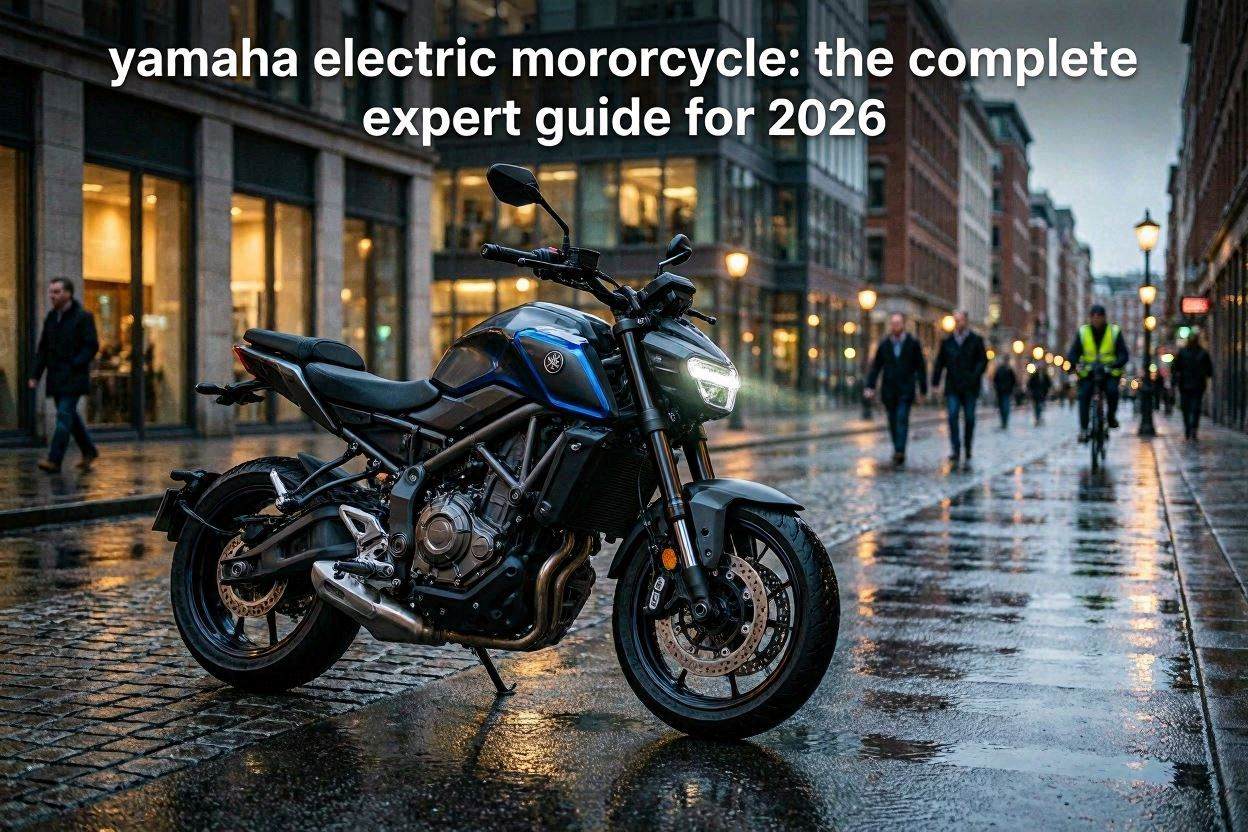
    yamaha electric motorcycle E01 review specs range 2026 urban commuter side profile
    The Yamaha E01 electric motorcycle — Yamaha’s first serious road-legal EV, shown in urban pilot programme testing. The low-slung battery pack gives class-leading handling balance.

    Yamaha Electric Motorcycle Heritage: The PW Motor Platform

    To understand Yamaha’s electric motorcycle capability, you must first understand the PW motor platform — because it is here, not in road motorcycle development, that Yamaha’s EV engineering has reached true world-class maturity. The Yamaha electric bike motor range — specifically the PW-X3, PW-S2, PW-CE, and PW-TE systems — powers hundreds of yamaha ebikes from brands including Trek, Giant, Haibike, and Yamaha’s own branded bicycle lineup.

    The PW-X3 — Yamaha’s highest-performance e-MTB motor as of 2026 — delivers 85 Nm of torque, 500% maximum assist, and a system weight of just 2.55 kg. It uses a four-sensor system measuring torque, speed, cadence, and inclination 1,000 times per second to deliver what many riders describe as the most natural-feeling power assist in the industry. This is the motor in yamaha electric bikes like the YDX-MORO Pro — and its engineering DNA is directly relevant to what Yamaha can bring to yamaha electric motorcycle development.

    MotorPeak torqueMax assistWeightBest for
    PW-X385 Nm500%2.55 kgE-MTB, aggressive trail riding
    PW-S270 Nm300%2.6 kgSport e-bikes, light trail
    PW-CE60 Nm300%2.85 kgCity commuting, trekking
    PW-TE70 Nm300%2.6 kgTrekking, gravel

    Yamaha Electric Bike Lineup: YDX-MORO, CrossCore and Wabash

    While the E01 represents Yamaha’s motorcycle-category EV ambitions, the yamaha electric bicycle lineup is where the brand’s EV products are most fully realised and most widely available to riders today. Three models stand out in 2026:

    Yamaha YDX-MORO Pro / 05 / 07

    The YDX-MORO series is Yamaha’s premium electric mountain bike range, powered by the PW-X3 motor. The yamaha ydx moro has built a strong reputation among serious e-MTB riders for its motor integration, frame design, and trail performance. The MORO 07 uses a 630 Wh battery (range ~60–120 km depending on terrain and assist level); the MORO Pro features a carbon frame and upgraded componentry for trail-focused riders. These are not yamaha electric motorcycles in the road-legal sense, but they represent the highest expression of Yamaha electric bike engineering currently available to consumers.

    Yamaha CrossCore RC

    The yamaha crosscore rc is a performance-oriented urban e-bike built around the PW-S2 motor. Targeting city commuters who want genuine sport character in an electric bike — fast acceleration off traffic lights, confident handling, and quality componentry — the CrossCore RC sits in the premium commuter segment at approximately $3,500–$4,000 USD. It is available through Yamaha’s authorised bicycle dealer network across North America and Europe.

    Yamaha Wabash RT

    The yamaha wabash RT is Yamaha’s electric gravel bike — designed for mixed-surface riding, bikepacking, and long-distance adventure cycling. It uses the PW-TE motor and a 500 Wh battery, with a geometry optimised for all-day comfort on variable terrain. For riders whose electric two-wheeled ambitions sit closer to adventure cycling than urban commuting, the Wabash RT represents one of the most credible electric adventure options in the Yamaha lineup.

    yamaha electric bike lineup YDX-MORO CrossCore Wabash RT 2026 range overview
    The Yamaha electric bike lineup for 2026: YDX-MORO Pro (left), CrossCore RC (centre), Wabash RT (right) — three distinct use cases, all built on Yamaha’s PW motor platform.

    Yamaha Electric Motorcycle vs the Competition: Where Does It Stand?

    For riders specifically seeking a road-legal yamaha electric motorcycle comparable to the Zero SR/F, LiveWire One, or Energica Ego+, the honest 2026 assessment is that Yamaha’s full-power road motorcycle EV is not yet in mass production. The E01 occupies the A1 / learner segment; the broader high-performance electric motorcycle market remains dominated by specialist EV brands. Here is how the landscape looks:

    Brand / ModelPowerRangePrice (approx.)Status 2026
    Yamaha E019 kW~104 km~€7,500Limited availability
    Zero SR/F82 kW peak~260 km city~€18,000Widely available
    LiveWire One78 kW peak~235 km city~€22,000Widely available
    Kawasaki Ninja E-19 kW cont.~72 km~€8,500Available in Europe
    Honda EM1 e:1.7 kW~40 km~€3,800Available
    Stark Varg (off-road)80 kW peakN/A (MX)~€12,000Available

    Yamaha’s competitive advantage in 2026 is not in outright electric motorcycle power or range — it is in brand trust, dealer network depth, motor engineering heritage (the PW platform), and the credibility that comes from being one of the largest motorcycle manufacturers on earth. When Yamaha does release a full-power yamaha electric motorcycle in the mid-to-upper performance bracket, it will arrive with a global service network, decades of motor tuning knowledge, and the handling credentials of a brand that builds the YZF-R1 and the MT-09. That combination is difficult to replicate.

    Yamaha’s Electric Motorcycle Strategy: What’s Coming After 2026

    Yamaha Motor has publicly committed to carbon neutrality by 2050, with an intermediate target of a 50% reduction in CO₂ emissions from its product lineup by 2035. The yamaha electric motorcycle roadmap supporting this commitment includes several confirmed and announced developments:

    • Multiple EV motorcycle models by 2030 — Yamaha has confirmed plans to release multiple road-legal electric motorcycles across different segments and performance levels, with the E01/E02 series as the entry point.
    • Hydrogen fuel cell motorcycle (joint project) — Yamaha is participating in a consortium with Honda, Kawasaki, and Suzuki to develop hydrogen fuel cell two-wheeler technology, targeting applications where battery range is insufficient. According to Honda’s official announcement, the consortium aims for demonstrator vehicles in the late 2020s.
    • Electric YZ motocross — Yamaha has confirmed development of an electric yamaha dirt bike for the YZ motocross range. Timeline and specification remain undisclosed, but direct competition with the Stark Varg and KTM Freeride E-XC is clearly the target.
    • PW motor integration into motorcycle platform — industry analysts widely expect Yamaha to leverage PW motor engineering learnings into higher-output road motorcycle applications, potentially entering the mid-power (25–50 kW) commuter and sport-naked segment within the next 3–5 years.
    • Expanded e-bicycle lineup — further development of the yamaha electric bike range including new PW motor variants, expanded battery options, and connectivity integration via the MyRide platform.

    Yamaha Electric Motorcycle Running Costs: What to Expect

    For riders evaluating the Yamaha E01 or planning for future yamaha electric motorcycle models, understanding the cost-of-ownership picture is essential. Electric motorcycles offer a fundamentally different economic profile from combustion machines — lower per-mile energy cost, minimal servicing requirements, and (in many markets) favourable tax and insurance treatment.

    Cost factorYamaha E01 (estimated)Equivalent 125cc gas scooter
    Purchase price~€7,500~€3,500–€5,000
    Annual fuel/energy (8,000 km)~€60–€90~€450–€600
    Annual servicing~€80–€120~€200–€350
    No oil changes / filters / spark plugs✅ Saving ~€100/yr
    Congestion / emissions charges€0 (exempt)Up to €1,200/yr (cities)
    5-year total cost of ownership~€9,000–€10,500~€10,000–€14,000

    As with all electric motorcycles, the economics become more compelling the more urban and frequent the use. According to Consumer Reports, EV owners consistently report lower lifetime fuel and maintenance costs than combustion vehicle owners — a pattern that applies equally to electric motorcycles. For daily urban commuters, the Yamaha E01’s 5-year cost advantage over a comparable gas scooter can reach €3,000–€4,000 once congestion exemptions are factored in.

    FAQ — Yamaha Electric Motorcycle

    Does Yamaha make an electric motorcycle?

    Yes. Yamaha makes the E01 — a full-fairing electric motorcycle/scooter targeting A1-licence and urban commuter riders — currently available in limited launch markets including Japan and parts of Europe. Yamaha also produces a comprehensive range of yamaha electric bikes (e-bicycles) including the YDX-MORO, CrossCore RC, and Wabash RT, powered by Yamaha’s PW motor platform. Full-power, high-performance yamaha electric motorcycle models for the broader road market are in development, with multiple EV motorcycle models confirmed for release before 2030.

    What is the range of the Yamaha electric motorcycle?

    The Yamaha E01’s officially tested range is approximately 104 km (65 miles) on the WMTC city cycle. Real-world urban range is typically 80–100 km in mixed stop-start riding. At sustained motorway speeds (90–100 km/h), expect 60–75 km. Range varies with rider weight, speed, temperature, and riding mode selection.

    Can I buy a Yamaha electric motorcycle in the USA?

    As of 2026, Yamaha’s E01 electric motorcycle is not in full commercial sale in the United States. Yamaha’s US electric two-wheeler offering is focused on yamaha electric bikes (e-bicycles) available through Yamaha’s US bicycle dealer network. For the latest US motorcycle EV availability, visit the Yamaha Motorsports USA official site or your nearest Yamaha dealer.

    How does the Yamaha electric motorcycle compare to Zero Motorcycles?

    The comparison depends on the segment. For learner / A1-licence electric motorcycles, the Yamaha E01 offers superior range (~104 km) compared to most learner-legal alternatives, at a competitive price point. For full-power electric motorcycle riders, Zero Motorcycles currently offers a more complete lineup — the Zero SR/F (82 kW, 260 km city range) and Zero S are fully available, widely serviced, and proven over multiple model years. Yamaha’s full-power EV response is expected but not yet in production.

    What Yamaha electric bikes are available to buy now?

    The most widely available yamaha electric bike products in 2026 are the e-bicycle range: the Yamaha YDX-MORO (electric mountain bike), Yamaha CrossCore RC (urban performance e-bike), and Yamaha Wabash RT (electric gravel/adventure bike). All are available through Yamaha’s authorised bicycle dealer network. The Yamaha electric motorcycle E01 is available in select European and Japanese markets on lease/limited sale; the E02 is in limited availability. Check your regional Yamaha Motor distributor for current availability.

    Is Yamaha planning an electric dirt bike?

    Yes. Yamaha has confirmed development of an electric yamaha dirt bike for the YZ motocross range, targeting competition with the Stark Varg and KTM Freeride E-XC. Yamaha’s existing PW motor expertise in e-MTB applications gives the brand significant engineering credibility in the electric off-road space. Release timeline and full specification have not been publicly confirmed as of mid-2026.

    Verdict: The Yamaha Electric Motorcycle in 2026 — Honest Assessment

    Kenji’s assessment — that Yamaha’s EV question was always when and for whom, not whether — is holding up as the brand’s electric strategy becomes clearer. In 2026, the yamaha electric motorcycle picture looks like this: world-class electric motor engineering proven across millions of e-bicycle deployments; a credible urban EV in the E01 for learner and commuter riders; and a confirmed roadmap of full-power models coming before 2030.

    For riders who want a yamaha electric motorcycle today, the E01 is a genuine option for urban commuters in the markets where it is available — with class-leading range in the A1 bracket and Yamaha’s hallmark build quality. For riders seeking higher performance, the honest advice is: the wait for a full-power yamaha electric motorcycle looks worthwhile, but Zero SR/F and LiveWire One deliver proven, available, high-performance electric riding right now. The Yamaha electric bike lineup, meanwhile, is exceptional across the board and available globally.

    Want to see how every electric motorcycle on the market compares? Our full electric motorcycle comparison guide covers specs, real-world range, and owner scores for every model from entry-level to high performance. And when you’re ready to purchase, our electric motorcycle dealer directory lists authorised Yamaha dealers and EV motorcycle stockists across the US, UK, and EU.
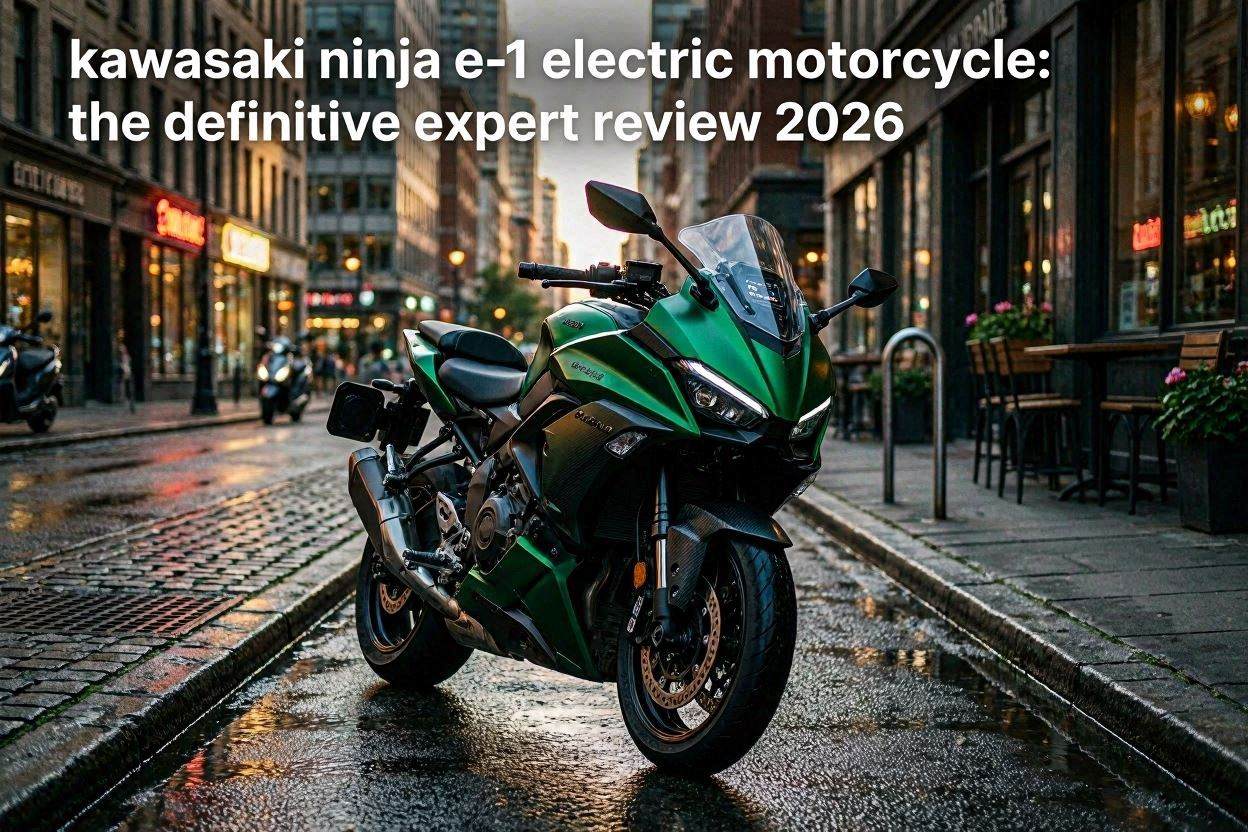
  • Electric Chopper Motorcycle: The Definitive Guide to Every Model, Custom Build and Conversion in 2026

    Electric Chopper Motorcycle: The Definitive Guide to Every Model, Custom Build and Conversion in 2026

    Darnell had been building choppers in his garage in Phoenix for twelve years. Chain-drive Sportsters, stretched Evo big twins, a rigid-frame shovelhead he hammered together from parts spread across three states. When his neighbour rolled up on a LiveWire Del Mar, Darnell didn’t even glance up from his workbench. “Electric,” he said. “Not for me.” Six months later, he was asking different questions. Not whether an electric chopper motorcycle could exist — but who was building the best ones, and whether he could build his own.

    The electric chopper motorcycle is no longer a niche experiment. It is a rapidly developing category that sits at the intersection of two of motorcycling’s most powerful cultural forces: the long American tradition of the custom chopper, and the unstoppable engineering momentum of electric powertrains. In 2026, there are factory-built electric chopper motorcycles, electric cruiser motorcycles, custom-built one-offs, and conversion kits that let builders electrify existing chopper frames. This guide covers all of it — the best models, the builders, the technology, and whether an electric chopper motorcycle can genuinely deliver the soul that chopper culture has always demanded.

    Looking for the best electric chopper and electric cruiser motorcycle deals? Browse our full electric motorcycle comparison guide — every model ranked by style, range, and real-world owner scores.

    Electric Chopper Motorcycle: What Defines the Category?

    A chopper motorcycle is defined by its visual and architectural identity as much as its mechanical specification: extended front forks, a low-slung frame, a stretched or raked geometry, minimal bodywork, and an aesthetic that prioritises visual drama over aerodynamic efficiency. The chopper is a statement. It is built to be seen, to rumble at idle, to command a parking lot. The question the electric chopper motorcycle must answer is whether electric power can honour that identity — or whether it fundamentally undermines it.

    The honest answer in 2026: an electric chopper motorcycle is a different experience from a gas chopper. It is not a substitute for the sound and vibration of a V-twin. But it offers something equally compelling to riders who approach it on its own terms — instant, brutal torque from zero rpm; mechanical simplicity that suits a custom aesthetic (no exhaust routing to design around, no carburettor to hide, no oil tank to integrate); and a running cost that makes the machine more accessible for daily use. The category is real, it is growing, and it is attracting some genuinely talented builders.

    electric chopper motorcycle best models 2026 custom cruiser low rider electric
    The electric chopper motorcycle category in 2026 — from factory electric cruisers to custom-built one-offs, the genre is finding its visual and mechanical identity.

    Electric Chopper Motorcycle: The Best Factory-Built Models in 2026

    While fully custom electric chopper motorcycles attract the most attention in the custom scene, the most accessible entry point for most riders is a factory-built electric cruiser motorcycle — machines designed with chopper DNA in their geometry, stance, and visual language.

    Harley-Davidson LiveWire Del Mar

    The LiveWire Del Mar is not a traditional chopper, but it is the most culturally significant electric motorcycle in the American cruiser tradition. Built by LiveWire — Harley-Davidson’s dedicated EV brand — the Del Mar is a flat-track inspired electric motorcycle with genuine Harley DNA and 52 kW of peak power. It does not have extended forks or a raked frame in the chopper tradition, but its low stance, wide rear tyre, and stripped-back aesthetic place it firmly in the custom-American visual family. For riders whose chopper instincts are aesthetic rather than architectural, the Del Mar is the most credible factory option in the category.

    Harley-Davidson LiveWire One

    The LiveWire One is the longer-range, more touring-oriented member of the LiveWire family. With 146 miles of city range, 78 kW of peak power, and Harley’s brand heritage behind it, the LiveWire One is the closest factory-built product to what a serious electric chopper motorcycle rider would want as a foundation. Its upright riding position and relatively neutral geometry also make it a strong candidate for custom modification — electrified choppers have been built on LiveWire donor bikes.

    Curtiss Zeus

    The Curtiss Zeus is one of the most visually arresting electric chopper motorcycles in production. Built by Curtiss Motorcycles — a brand with roots stretching back to Glenn Curtiss’s early twentieth century racing machines — the Zeus features a sculpted aluminium monocoque frame that serves as both structural chassis and battery enclosure, a wide rear tyre, a forward-set riding position, and the kind of visual drama that traditional gas choppers achieve through chrome and cubic inches. The Zeus is powered by a 170 kW motor and offers real chopper presence with genuine electric performance. It is expensive — approaching $100,000 USD — but represents the apex of the factory electric chopper motorcycle segment.

    Benda BD-6 / Sondors Metacycle (cruiser-adjacent)

    At the more accessible end of the electric chopper motorcycle market, brands like Sondors, Benda, and several Chinese manufacturers have produced electric cruiser and chopper-style motorcycles at price points from $3,000–$8,000. These machines compromise on power, range, and build quality compared to premium options, but their visual language — low frame, wide bars, relaxed riding position — places them in the chopper family. For riders who want electric chopper motorcycle aesthetics at commuter pricing, this segment is worth exploring.

    ModelPowerRangeStylePrice (approx.)Available
    LiveWire One78 kW peak146 mi cityElectric cruiser / sport~$22,799✅ USA & EU
    LiveWire Del Mar52 kW peak~100 mi cityFlat-track / custom American~$15,999✅ USA & EU
    Curtiss Zeus170 kW peak~150 miElectric chopper / art bike~$95,000✅ Limited
    Zero S34 kW peak~230 km cityNaked / street~$11,995✅ USA & EU
    Sondors Metacycle~8 kW~80 miMinimalist cruiser~$6,500✅ USA
    Benda BD-6 Electric~11 kW~60 miCruiser / chopper style~$4,000–$5,000🔄 Select markets

    Electric Chopper Motorcycle: The Custom Build Scene

    The most exciting development in the electric chopper motorcycle world is not happening in factories — it is happening in garages and fabrication shops, where a new generation of custom builders is figuring out how to marry the visual language of the traditional chopper with the engineering reality of electric power. The results are some of the most technically and aesthetically ambitious motorcycles being built anywhere in the world.

    Why electric suits custom chopper building

    The absence of a combustion engine removes several of the most challenging constraints in traditional chopper design. There is no exhaust system to route — no headers to tuck, no pipes to bend around a raked frame. There is no oil tank to hide or integrate. No fuel tank shape to work around. No carburettor or throttle body requiring specific airflow geometry. The electric powertrain — motor, controller, battery pack — is mechanically simple, physically compact (relative to a V-twin), and infinitely more flexible in terms of packaging. Custom builders who have worked with both gas and electric platforms consistently note that the electric chopper motorcycle build is, in many ways, easier to package cleanly.

    Notable custom electric chopper builds

    • Bottpower BOTT XR1-E — Spanish custom builder Bottpower’s electric interpretation of a cafe racer / chopper hybrid. Built on a tubular steel frame with a Zero Motorcycles drivetrain donor, it demonstrates how electric performance can be packaged within traditional custom motorcycle aesthetics.
    • Untitled Motorcycles (UMC) electric customs — London and San Francisco-based Untitled Motorcycles has produced several electric custom builds, typically using Zero or LiveWire donor platforms. Their work consistently demonstrates that electric powertrains can carry genuine custom character.
    • Revival Cycles electric customsRevival Cycles in Austin, Texas, has explored electric conversion of classic frames, producing electric chopper motorcycle builds that retain the visual language of period American customs while replacing the drivetrain with modern EV components.
    • Deus Ex Machina electric builds — Global custom house Deus Ex Machina has produced electric custom motorcycles in its Sydney and Milan workshops, exploring the design freedom that electric powertrains offer custom builders.
    electric chopper motorcycle custom build scene 2026 bespoke fabrication electric cruiser
    The custom electric chopper motorcycle scene in 2026 — builders are discovering that the absence of an exhaust system, oil tank, and carburettor creates new design freedom rather than creative constraint.

    Electric Chopper Motorcycle: Converting a Gas Chopper to Electric

    For builders who already own a gas chopper frame — or who want to electrify a specific donor bike — electric conversion is an increasingly viable path to an electric chopper motorcycle. The conversion market has matured significantly since 2020, with dedicated EV conversion kits, purpose-built controllers, and a growing community of builders sharing knowledge and parts.

    What an electric chopper conversion involves

    • Motor selection — most conversions use a BLDC or PMSM motor in the 10–50 kW range. Popular choices include the Motenergy ME1616, the Thunderstruck Motors TMM series, and motors salvaged from donor EV vehicles. Motor placement varies — sprocket-direct, chain-drive from a mid-mount, or hub-motor configurations all have been used in chopper conversions.
    • Battery pack design — the battery is the biggest packaging challenge in a custom electric motorcycle conversion. Chopper frames offer limited conventional battery locations; most builders fabricate custom battery enclosures that integrate into the frame aesthetically — as a mock fuel tank, within the frame tubes, or in a purpose-built structure below the seat.
    • Controller / inverter — the motor controller handles power delivery, riding modes, and regenerative braking. Kelly Controls, Sevcon (now Danfoss), and Alltrax are commonly used in custom electric chopper motorcycle conversions.
    • BMS and charging — a Battery Management System is non-negotiable for lithium-ion packs. Most builders integrate a standard J1772 or Type 2 charging inlet, allowing charging from Level 1 or Level 2 AC sources.
    • Instrumentation and controls — custom digital dashboards, throttle-by-wire systems, and Bluetooth connectivity are all achievable in a custom electric chopper motorcycle build using off-the-shelf EV components.

    Conversion kit options for electric chopper builds

    Several suppliers now offer partial or complete conversion kits suitable for electric chopper motorcycle projects. Thunderstruck Motors and EVWest both supply motor, controller, and BMS packages with technical support for custom builders. The typical cost of a complete drivetrain conversion kit — motor, controller, BMS, cables, and connectors — ranges from $3,000 to $12,000 USD depending on power output and specification. Battery costs add a further $2,000–$8,000 depending on capacity and cell quality.

    Electric Chopper Motorcycle: Mini and Youth Models

    A significant portion of electric chopper motorcycle search interest focuses on mini and youth versions — small-format electric choppers designed for children, teenagers, and riders who want chopper aesthetics in a low-powered, accessible package. This segment has grown substantially, with several well-established brands offering credible mini electric chopper motorcycles.

    Best mini electric chopper motorcycles in 2026

    • Razor Mini Chopper / Crazy CartRazor‘s entry-level mini electric chopper bike offers chopper styling at an accessible price point (~$200–$400). Target age 13+, max speed ~15 mph, battery runtime ~30–40 minutes. Ideal for neighbourhood riding and introducing younger riders to electric motorcycles.
    • Eahora M1P 2000W — one of the most capable electric chopper motorcycles in the youth/adult crossover segment. The Eahora M1P delivers 2,000W peak power, a top speed of ~50 mph (dependent on local law), hydraulic disc brakes, and a full-size chopper stance. Popular with teen and adult riders wanting a street-legal or off-road electric chopper at ~$1,800–$2,200.
    • City Coco electric chopper — the city coco chopper platform has spawned numerous variants across multiple brands, offering chopper-style wide tyres, low seating, and electric power in a moped-legal package. Range varies from 40–80 km; prices from $1,200–$2,500. Build quality is variable — buy from established importers with warranty support.
    • Mini chopper electric bikes (various brands) — a wide range of mini electric chopper motorcycles from Chinese manufacturers (Taotao, Coolster, and others) are available at $300–$800 USD. These are primarily for off-road or private land use, with 250W–800W motors and speeds up to 20 mph. Quality and after-sales support vary significantly by brand and retailer.
    ModelMotorTop SpeedAge / RiderPrice (approx.)
    Razor Mini Chopper~90W~15 mphAge 13+~$200–$350
    Eahora M1P 2000W2,000W peak~50 mphTeen / adult~$1,800–$2,200
    City Coco Chopper~1,500W~35–45 mphAdult (moped licence)~$1,200–$2,500
    Mini chopper (off-road, various)250–800W~15–25 mphAge 8–14~$300–$800
    Gas mini chopper (converted)1–3 kW (converted)~30 mphTeen / adult~$800–$2,000 (conversion)

    Electric Chopper Motorcycle Technology: What Powers the Silent Chopper

    Understanding the technology inside an electric chopper motorcycle matters — both for buyers evaluating production models and for builders planning a custom conversion. The core components are the same whether the machine costs $3,000 or $95,000; what differs is specification, quality, and integration.

    The motor: torque is everything in a chopper

    The chopper’s traditional appeal is built on low-end torque — the feeling of enormous V-twin pulling power at low rpm, the mechanical authority of a big engine turning over slowly. An electric chopper motorcycle replicates this experience more faithfully than any other motorcycle category. Electric motors produce peak torque at zero rpm. A PMSM motor in a quality electric cruiser motorcycle delivers its full torque figure the instant you open the throttle — no waiting for an rpm band, no clutch slip required. This characteristic is arguably more aligned with the chopper riding experience than a revving four-cylinder.

    The battery: replacing the fuel tank

    The battery pack is the most significant design challenge in an electric chopper motorcycle. In a gas chopper, the fuel tank is a visual centrepiece — its shape, chrome, and paint define much of the machine’s aesthetic identity. In an electric chopper, the battery must occupy a comparable visual and structural position. Factory builders like Curtiss solve this through structural battery enclosures machined from aluminium. Custom builders use fabricated steel or aluminium enclosures, 3D-printed covers, or wrap existing battery packs in materials that match the bike’s aesthetic. The most successful electric chopper motorcycle designs treat the battery as a design feature rather than an engineering compromise.

    Sound: the electric chopper’s biggest departure

    The absence of exhaust sound is the most discussed aspect of the electric chopper motorcycle experience — and the one that divides opinion most sharply. Traditional chopper culture is inseparable from sound: the loping idle of a V-twin, the bark of open pipes, the rumble at a stoplight. An electric cruiser motorcycle is near-silent. The motor whine at speed, the subtle mechanical sounds of the drivetrain, and tyre roar are the only acoustic signatures. Some builders have experimented with artificial sound generation; most agree this is inauthentic. The electric chopper asks you to find a different kind of presence — visual, kinetic, and the social provocation of silence where noise was expected.

    Electric Chopper Motorcycle Range and Real-World Practicality

    Range is a critical evaluation criterion for any electric motorcycle — and for the electric chopper motorcycle specifically, where long weekend rides are culturally central to the lifestyle, it deserves honest assessment.

    Model / typeCity rangeHighway rangeCharge time (L2)Charging standard
    LiveWire One (factory electric cruiser)~146 mi~70 mi~60 min (0–80%, DC)CCS DC fast charge
    LiveWire Del Mar~100 mi~55 mi~60 min (0–80%, DC)CCS DC fast charge
    Curtiss Zeus~150 mi~90 mi~2 hr (L2 AC)J1772 / CCS
    Eahora M1P 2000W~50 mi~35 mi~5–6 hr (L1)Standard plug
    Custom conversion (14 kWh pack)~80–120 mi~50–70 mi~3–4 hr (L2)J1772 (if fitted)

    The honest reality: a premium electric chopper motorcycle like the LiveWire One is genuinely viable for weekend riding within a 70-mile radius of a charging point. For longer multi-day tours in areas without charging infrastructure, range planning is essential. DC fast charging capability — available on LiveWire models — means a 30-minute stop can add 80+ miles of range, making longer trips practical with planning. According to the U.S. Department of Energy, electric vehicle energy costs are consistently 3–5× lower than gasoline equivalents per mile — which, for a daily-ridden electric cruiser motorcycle, translates to substantial annual savings.

    FAQ — Electric Chopper Motorcycle

    Are electric chopper motorcycles street legal?

    Factory-built electric chopper motorcycles like the LiveWire One and Del Mar are fully street legal in the USA, UK, and EU, subject to standard motorcycle licensing requirements. Mini electric chopper motorcycles and youth models are typically restricted to private land or specific low-speed zones depending on power output and local regulations. Custom-built electric chopper motorcycles require individual registration and may need to pass emissions and safety inspections — requirements vary significantly by state and country. Always confirm road-legal status with your local licensing authority before riding on public roads.

    How much does an electric chopper motorcycle cost?

    The price range for an electric chopper motorcycle in 2026 spans from approximately $200 (Razor mini chopper) to $95,000+ (Curtiss Zeus). Entry-level youth mini electric chopper motorcycles cost $300–$800. Accessible adult electric chopper bikes like the Eahora M1P or City Coco variants cost $1,200–$2,500. Factory premium electric cruiser motorcycles (LiveWire) cost $15,999–$22,799. Custom one-off electric chopper motorcycles built to full specification can exceed $50,000 depending on components and fabrication.

    Can I convert my existing gas chopper to electric?

    Yes — electric conversion of an existing gas chopper frame is achievable and increasingly common. The key components required are a motor (10–50 kW range for road use), motor controller, lithium-ion battery pack, BMS, and charging inlet. Budget $5,000–$20,000 for a quality drivetrain conversion, plus fabrication costs for battery enclosure and frame modifications. Suppliers like Thunderstruck Motors and EVWest offer technical support and complete drivetrain packages for custom electric motorcycle projects.

    What is the best electric chopper motorcycle in 2026?

    For production models with genuine chopper/cruiser character, the LiveWire One is the strongest choice — it offers the best combination of range (146 miles city), power (78 kW), build quality, dealer support, and American motorcycle brand heritage. For pure visual drama and ultimate electric chopper motorcycle presence, the Curtiss Zeus has no rival — but its price reflects that. For budget-conscious riders, the Eahora M1P 2000W delivers genuine electric chopper character at an accessible price.

    Does an electric chopper motorcycle have a clutch or gearbox?

    No. All production electric chopper motorcycles and electric cruiser motorcycles use a single-speed fixed-ratio drivetrain — no clutch, no gearbox, no gear changes. Throttle control is the primary rider input. This simplicity is actually well-suited to the chopper riding style, where low-rpm cruising and smooth power delivery matter more than high-rpm performance. The absence of a clutch also makes electric choppers more approachable for new riders transitioning from automatic scooters.

    How long does it take to charge an electric chopper motorcycle?

    Charge time depends on battery capacity and charger type. The LiveWire One charges from 0–80% in approximately 60 minutes on a DC fast charger, or 3–4 hours on a Level 2 (240V) AC charger. Smaller electric chopper motorcycles like the Eahora M1P charge from a standard domestic socket in 5–6 hours. Custom-converted electric chopper motorcycles with J1772 charging inlets charge in 2–5 hours on Level 2 depending on battery capacity.

    Verdict: Is the Electric Chopper Motorcycle the Future of Custom Culture?

    Darnell built his first electric chopper motorcycle over a winter. He used a rigid Sportster frame he had in the shop, a Thunderstruck motor kit, and a battery pack he fabricated himself inside a hand-formed aluminium housing that sits where the fuel tank used to be. It makes no sound at idle. It pulls like a freight train from the moment he opens the throttle. People in parking lots approach it the way they always approached his gas builds — but they stay longer, ask more questions, and leave with a different look on their faces. “It’s not the same,” he says. “But it’s not less, either. It’s just a different conversation.”

    The electric chopper motorcycle is not a replacement for the gas chopper. It is a parallel tradition, built on the same values — individuality, craftsmanship, visual drama, mechanical honesty — expressed through a different technology. The best electric cruiser motorcycles and custom-built electric choppers of 2026 demonstrate that electric power does not diminish those values. In many ways, it clarifies them.

    Ready to find your electric chopper? Our full electric motorcycle comparison guide covers every electric cruiser, electric chopper, and custom-adjacent electric motorcycle on the market — with real-world range data, owner reviews, and side-by-side specs. Browse our electric motorcycle shop directory for authorised dealers across the US, UK, and EU.

  • Electric Dirt Motorcycle: The Definitive Expert Guide — Best Models, Performance & Buyer Advice 2026

    Electric Dirt Motorcycle: The Definitive Expert Guide — Best Models, Performance & Buyer Advice 2026

    Tyler had raced gas-powered motocross for nine years — YZ250Fs, CRF450Rs, the whole trajectory. When the AMA started allowing electric dirt motorcycles in certain amateur classes in 2024, he was publicly dismissive. “Quiet bikes at a moto track,” he said. “No thanks.” He changed his mind at the first lap. The Stark Varg he borrowed from a teammate pulled out of corner two with a torque delivery he described as “physically alarming.” He was nine seconds faster than his best gas lap by the end of the session. “I didn’t think I’d ever say this,” he told us. “But the electric dirt motorcycle is faster through the technical stuff. By a lot.”

    The electric dirt motorcycle has crossed the threshold from novelty to genuine competitive tool — and in 2026, the category is broader, more capable, and more accessible than it has ever been. From full-competition electric motocross motorcycles that challenge the fastest gas bikes on professional circuits, to electric dirt bikes for adults that make trail riding quieter and simpler, to affordable mini electric dirt bikes for youth riders, the category now covers every segment of off-road riding. This guide covers the best models, the real performance data, the brands building the future, and everything a rider needs to choose the right electric dirt motorcycle in 2026.

    Comparing every electric dirt motorcycle side by side? See our full electric motorcycle comparison guide — specs, range, real-world performance, and owner scores for every model.

    Electric Dirt Motorcycle: Why Off-Road Is Where Electric Makes the Most Sense

    The structural advantages of electric powertrains align with off-road riding more naturally than almost any other motorcycle discipline. Understanding why requires looking at what off-road riding actually demands from a powertrain — and where gas engines struggle.

    • Instant torque, no stall — an electric dirt motorcycle delivers peak torque from zero rpm. There is no clutch to feather, no rev range to maintain, no risk of stalling in technical terrain. For riders navigating slow rocky sections, steep climbs, or tight woods, this characteristic is transformative. Gas bikes stall. Electric bikes do not.
    • Zero maintenance between rides — no oil changes, no air filter cleaning, no jetting, no valve checks, no coolant top-ups. The electric dirt motorcycle requires brake fluid checks, chain (or belt) tension, and tyre pressure. For riders who hate garage time, the maintenance reduction is dramatic.
    • Noise — a feature, not a bug — the near-silence of an electric dirt motorcycle opens riding areas that are closed to gas bikes. Noise-sensitive trails, early morning sessions, suburban practice tracks, and areas with noise ordinances all become accessible. For trail riders in particular, the silence also provides a different sensory experience — you hear the terrain, the tyres, the forest.
    • Programmable power delivery — every quality electric motocross motorcycle offers multiple riding modes and programmable torque maps. Beginners can run soft, predictable power; advanced riders can dial up aggressive torque curves. Gas bikes require jetting changes and different sprocket setups to achieve comparable adjustability.
    • Weight distribution — electric motor and battery placement allows engineers to optimise mass centralisation independently of engine architecture. The best electric dirt motorcycles in 2026 achieve mass centralisation that gas bikes cannot match, contributing to the handling advantages Tyler experienced on the Stark Varg.
    electric dirt motorcycle motocross 2026 stark varg action shot off road adult rider
    Electric dirt motorcycle in competition — the Stark Varg MX delivering its full 80 kW in an amateur motocross heat. The torque curve advantage through slow corners is measurable on data.

    Electric Dirt Motorcycle: The Best Models in 2026

    The electric dirt motorcycle market in 2026 is stratified across three clear tiers: full-competition performance machines, mid-range trail and enduro bikes, and entry-level / youth models. Here is the definitive breakdown.

    Tier 1: Full-Competition Electric Dirt Motorcycles

    Stark Varg MX / Stark Varg Alpha — the Stark Varg is the benchmark electric motocross motorcycle of 2026. Built by Swedish startup Stark Future, the Varg MX delivers 80 kW peak power in a 110 kg package — making it the highest power-to-weight ratio electric dirt motorcycle currently in production. Its custom PMSM motor, proprietary controller, and 6 kWh battery pack are all developed in-house. The Stark app allows 200+ programmable settings including torque curves, engine braking intensity, and regenerative braking level. Competitive riders have set lap records on the Varg against 450cc gas bikes at multiple venues. The Stark Varg Alpha offers a reduced-power version for beginner and intermediate riders using the same chassis and hardware. Price: approximately $12,000 USD.

    KTM Freeride E-XCKTM’s Freeride E-XC is the most established name in full-power electric enduro motorcycles, backed by KTM’s decades of off-road engineering heritage. The 2025/2026 model delivers 18 kW continuous / 30 kW peak, with a 3.9 kWh battery and approximately 1.5–2 hours of trail riding endurance depending on terrain. Lighter than the Stark at 111 kg wet, with KTM’s WP suspension and genuine enduro geometry. The E-XC is the mature, dealer-supported option for serious off-road riders who want electric enduro motorcycle performance with factory backup. Price: approximately $11,499 USD.

    Gas Gas EC-E5 / Sherco eRace — both Gas Gas (owned by KTM Group) and Sherco offer competition-grade electric dirt motorcycles targeting enduro and trials riding. The Gas Gas EC-E5 shares significant engineering with the KTM E-XC, offering similar power and endurance in Gas Gas’s distinctive orange livery. The Sherco eRace targets the trials/enduro crossover, with extremely precise throttle control and a lightweight chassis optimised for technical terrain.

    Tier 2: Mid-Range Electric Dirt Motorcycles — Sur-Ron and the Light Trail Segment

    The Sur-Ron platform — specifically the Light Bee X and Torque (Storm Bee) — has become the dominant force in mid-range electric dirt motorcycle sales globally. The Sur-Ron Light Bee X delivers 6 kW continuous / peak ~22 kW, weighs just 50 kg, and costs approximately $4,500–$5,500 USD. It is not a full-competition MX machine, but for trail riding, woods riding, and recreational electric dirt bike use, it offers extraordinary fun-per-dollar and has become a cult object in the off-road EV community.

    The Sur-Ron Ultra Bee steps up significantly — 22.5 kW continuous, 55 kg, 74V system, with a more aggressive suspension setup and capability that overlaps into serious trail riding territory. The Ultra Bee is the electric dirt motorcycle that bridges the gap between the recreational Light Bee segment and full competition machines like the Stark and KTM. Price: approximately $8,500–$9,500 USD.

    Zero FX / FXEZero’s FX platform is the most trail-focused offering from the US’s most established electric motorcycle brand. The FX is road-legal (unlike many pure MX/enduro machines), runs on a 7.2 kWh battery, and delivers 46 kW peak in a 132 kg package. Its dual-sport capability — legal on road, capable off it — makes it the most practical choice for riders who want a single machine that covers both commuting and weekend trail riding. Price: approximately $12,195 USD.

    Tier 3: Youth and Entry-Level Electric Dirt Motorcycles

    The youth and entry-level electric dirt motorcycle segment is the fastest growing in the category. Gas-powered youth dirt bikes require parental mechanical knowledge, oil changes, carburettor tuning, and noise management. Electric dirt bikes for kids are quieter, require minimal maintenance, and can be speed-limited to match rider ability — making them a compelling choice for families introducing young riders to off-road motorcycling.

    ModelMotorTop SpeedAge / RiderBatteryPrice (approx.)
    MotoTec 36V Electric Dirt Bike500W~20 mphAge 8–1236V 12Ah~$350–$500
    KTM SX-E 3 / SX-E 53 kW / 5 kW~40–55 mphAge 6–14 (varies)1.1–1.7 kWh~$4,000–$5,500
    Gas Gas MC-E 3 / MC-E 53 kW / 5 kW~40–55 mphAge 6–141.1–1.7 kWh~$4,000–$5,500
    Sur-Ron Light Bee (youth)6 kW peak~45 mphTeen / adult2.0 kWh~$4,500
    MotoTec 72V Electric Dirt Bike3,000W~50 mphTeen / adult72V 20Ah~$800–$1,200
    Mini electric dirt bike (various)250–800W~15–25 mphAge 5–1024–36V~$150–$400

    Electric Dirt Motorcycle Comparison: Full Spec Table 2026

    ModelPeak PowerWeightBatteryRide TimeTop SpeedPrice (approx.)Best for
    Stark Varg MX80 kW110 kg6 kWh~1.5–2 hr MX~80 mph~$12,000Competitive MX
    KTM Freeride E-XC30 kW peak111 kg3.9 kWh~1.5–2 hr trail~70 mph~$11,499Electric enduro
    Gas Gas EC-E530 kW peak~108 kg3.9 kWh~1.5–2 hr trail~70 mph~$11,499Enduro / trail
    Zero FX46 kW peak132 kg7.2 kWh~3–4 hr trail~85 mph~$12,195Dual sport / trail
    Sur-Ron Ultra Bee22.5 kW55 kg~3 kWh~2 hr trail~60 mph~$8,500Trail / recreational
    Sur-Ron Light Bee X6 kW cont.50 kg2.0 kWh~1.5–2 hr~45 mph~$4,500Trail / fun / youth
    MotoTec 72V3,000W~35 kg72V 20Ah~1–2 hr~50 mph~$1,000Budget adult
    KTM SX-E 55 kW~35 kg1.7 kWh~1 hr~55 mph~$5,500Youth MX

    Electric Dirt Motorcycle Spotlight: Stark Varg — Why It Changes Everything

    The Stark Varg deserves particular attention because it represents the first electric dirt motorcycle to comprehensively challenge the fastest gas bikes in its class on their own terms — not as a novelty, but as a genuine competitive tool backed by measurable lap time data.

    Stark Varg motor and drivetrain

    The Varg uses a purpose-built PMSM motor developed entirely in-house by Stark Future’s engineering team. Peak output of 80 kW (107 bhp) is delivered through a single-speed direct drive to the rear wheel — no clutch, no gearbox, no chain slap, no false neutrals. The motor produces peak torque of approximately 938 Nm at the rear wheel (motor torque multiplied through the drive ratio), which is why Tyler’s corner exit acceleration was so dramatically different from his gas experience. A 250cc gas bike produces its peak torque at 10,000+ rpm; the Varg produces its full torque output from the moment the throttle moves.

    Stark Varg battery and range

    The Varg’s 6 kWh lithium-ion battery pack is housed in the central frame, contributing to the mass centralisation that gives the bike its distinctive handling character. Race endurance on a typical MX track is approximately 1.5–2 hours of hard riding — equivalent to a full MX race day including practice, qualifying, and motos. Trail endurance extends to 2–3 hours depending on terrain and assist level. Fast charging (DC) from 0–80% takes approximately 1 hour; full charge via Level 2 AC takes approximately 2 hours.

    Stark Varg app and programmability

    The Stark app is the Varg’s defining feature for many riders. Over 200 individual settings are adjustable via Bluetooth connection, including throttle response curves (from ultra-smooth beginner profiles to race-aggressive ramp rates), engine braking intensity across five levels, maximum power output, regenerative braking intensity, and traction control sensitivity. Riders can store multiple profiles and switch between them between sessions — effectively providing separate “bikes” for different riders or track conditions without any mechanical changes.

    electric dirt motorcycle comparison 2026 stark varg ktm freeride e-xc sur ron ultra bee
    The three tiers of the electric dirt motorcycle market in 2026 — Stark Varg (competition), KTM Freeride E-XC (enduro), Sur-Ron Ultra Bee (trail/recreational).

    Electric Dirt Motorcycle for Beginners and Trail Riders: The Sur-Ron Platform

    For riders who want an electric dirt motorcycle without the price or intensity of competition-grade machines, the Sur-Ron platform has become the default recommendation — and for good reason. The Light Bee X and Ultra Bee offer genuine off-road capability at weights and price points that make the category accessible to a far broader range of riders than Stark or KTM.

    The Sur-Ron Light Bee X weighs 50 kg — roughly half the weight of a full-size electric motocross motorcycle. This low weight transforms what is possible for riders of average strength and experience. Technical terrain that would be exhausting on a 110 kg machine becomes manageable. Dropping the bike costs nothing physically. Loading it into a truck or van requires no ramp. For trail riders, weekend explorers, and riders returning to off-road after a break, the Light Bee X is the best entry-level electric dirt motorcycle in 2026 by a significant margin.

    The Sur-Ron Ultra Bee expands on this foundation substantially. At 55 kg with 22.5 kW continuous power and a 74V system, the Ultra Bee is no longer a lightweight novelty — it is a serious electric off-road motorcycle capable of challenging terrain that would test experienced riders on full-size gas machines. Sur-Ron top speed on the Ultra Bee reaches approximately 60 mph, and its suspension travel and geometry are calibrated for genuine trail use rather than the flatter terrain where the Light Bee X is most at home.

    Electric Dirt Motorcycle Street Legal: What You Need to Know

    One of the most frequently asked questions about the electric dirt motorcycle category concerns road legality. The answer varies significantly by model, market, and jurisdiction — but the general framework is consistent.

    Which electric dirt motorcycles are street legal?

    • Zero FX / FXE — the most fully road-legal electric dirt motorcycle in production. The FX comes from the factory with lights, mirrors, horn, and road-legal tyres as standard. Full registration, licensing, and insurance applicable in all US states and most markets. The dual-sport capability (road-legal, trail-capable) is its defining advantage over pure off-road machines.
    • KTM Freeride E-XC — road-legal in certain markets with appropriate homologation. Check availability with your local KTM dealer as road-legal status varies by country and state.
    • Sur-Ron Light Bee / Ultra Bee — not road-legal as delivered in most markets. Some jurisdictions classify them as light electric motorcycles or mopeds at restricted power levels; check local regulations. Third-party lighting and indicator kits are available for conversion where regulations permit.
    • Stark Varg MX — pure off-road, not road-legal in any market as delivered. No lights, no horn, no road-legal tyres. Intended exclusively for private land and off-road venues.
    • MotoTec and budget electric dirt bikes — intended for off-road and private land use. Not road-legal in any jurisdiction as standard. Some 50cc-equivalent models may be registerable as mopeds in certain markets at restricted power output.

    For riders who specifically want a street legal electric dirt bike or dual sport electric motorcycle, the Zero FX is the clear recommendation. Its road-legal capability, 85 mph top speed, 3–4 hour trail endurance, and dealer network make it the most practical all-round electric dirt motorcycle for riders who split time between roads and trails. According to the National Highway Traffic Safety Administration (NHTSA), electric motorcycles are governed by the same Federal Motor Vehicle Safety Standards as combustion motorcycles — road-legal certification confirms compliance with these standards.

    Electric Dirt Motorcycle Under $1,000: What You Can Realistically Expect

    The search for an electric dirt bike for adults under $1,000 reflects genuine demand — but it requires honest expectations. At this price point, you are looking at a different category of machine from the Stark, KTM, or Sur-Ron. Understanding what the budget segment delivers (and what it doesn’t) helps riders make informed decisions.

    What you get for under $1,000

    • Motor power: 250W–2,000W — sufficient for speeds of 15–40 mph depending on specification. Not suitable for challenging terrain or hills above moderate inclines at the lower end of this range.
    • Battery: 36V–60V systems — ride time typically 45–90 minutes of moderate riding. Cold weather significantly reduces this figure.
    • Build quality: variable — components in this price range are consumer-grade rather than motorcycle-grade. Brakes, suspension, and frame are adequate for flat to moderate terrain; they are not calibrated for aggressive off-road riding.
    • Warranty and support: limited — brands like MotoTec offer 90-day to 1-year warranties; parts availability varies. Factor in the likely difficulty of obtaining replacement parts before purchasing.
    • Best use case: flat private land, beginners, young adults — at this price point, the electric dirt motorcycle is a recreational machine for relatively flat private land use. For serious trail riding or any terrain with technical features, budget an additional $3,000–$5,000 minimum.

    FAQ — Electric Dirt Motorcycle

    What is the fastest electric dirt motorcycle?

    The fastest production electric dirt motorcycle in 2026 is the Stark Varg MX, with 80 kW peak power and a tested top speed of approximately 80 mph. Its 0–60 mph acceleration is faster than any 450cc gas motocross bike currently in production. The fastest electric dirt bike in the trail/enduro segment is the Zero FX, which reaches approximately 85 mph and is road-legal. For pure off-road use, the Varg is the benchmark.

    How long does an electric dirt motorcycle battery last per charge?

    Battery endurance varies dramatically with riding intensity. On a motocross track at race pace, expect 1.5–2 hours from the Stark Varg’s 6 kWh pack. On trail riding at moderate pace, the KTM Freeride E-XC delivers 1.5–2.5 hours. The Zero FX, with its larger 7.2 kWh battery, achieves 3–4 hours of trail riding. Budget electric dirt motorcycles in the $500–$1,000 range typically deliver 45–90 minutes. Regenerative braking on trail/enduro machines can extend endurance by 10–20% in stop-start technical terrain.

    Are electric dirt motorcycles allowed on motocross tracks?

    Yes — most private motocross tracks allow electric dirt motorcycles, and an increasing number of sanctioned race series include electric classes. The AMA (American Motorcyclist Association) has introduced electric categories in several amateur and youth series. The FIM (Fédération Internationale de Motocyclisme) governs the FIM E-Xplorer electric enduro championship. Always check with your specific track or event organiser, as policies vary. Most riders report that track operators appreciate the reduced noise — a significant practical advantage of the electric motocross motorcycle.

    Can kids ride electric dirt motorcycles?

    Yes — the youth electric dirt motorcycle segment is one of the fastest growing in the category. KTM’s SX-E 3 (for ages 6–10) and SX-E 5 (ages 10–14) are the most serious youth competition options. Gas Gas offers equivalent models. For recreational riding and younger children, brands like MotoTec offer mini electric dirt bikes from $150–$500 with speed-limited motors appropriate for age 5+. The adjustable power modes on most youth models allow the bike to grow with the rider’s skill level — a significant advantage over equivalent gas bikes.

    How much does an electric dirt motorcycle cost?

    The electric dirt motorcycle price range in 2026 spans from approximately $150 (mini youth models) to $12,000+ (Stark Varg, KTM Freeride E-XC). Entry-level adult budget machines (MotoTec 72V, Chinese brands) cost $500–$1,500. Mid-range trail machines like the Sur-Ron Light Bee X cost $4,000–$5,500. The Sur-Ron Ultra Bee costs $8,000–$9,500. Full-competition machines (Stark Varg, KTM Freeride E-XC) cost $10,000–$12,000+. The cheapest electric dirt bike viable for adult trail riding with reliability expectations is approximately $4,000–$5,000 (Sur-Ron Light Bee X range).

    What is the best electric dirt motorcycle for adults?

    The answer depends on intended use. For competitive motocross and maximum performance, the Stark Varg MX is the clear choice. For enduro and trail riding with proven reliability and dealer support, the KTM Freeride E-XC leads. For dual-sport riders who want road legality alongside trail capability, the Zero FX is the strongest option. For budget-conscious trail riders wanting the best electric dirt bike for adults under $5,000, the Sur-Ron Light Bee X is the default recommendation.

    How do electric dirt motorcycles compare to gas dirt bikes?

    Electric dirt motorcycles outperform gas bikes in: instant torque delivery (particularly in slow technical sections), maintenance simplicity, noise levels, and programmable power delivery. Gas dirt bikes outperform electric in: sustained high-speed endurance (gas bikes can be refuelled in minutes), total range for long multi-day enduros, and the option to carry additional fuel for remote riding. According to the U.S. Department of Energy, electric vehicle energy costs are 3–5× lower per mile than gasoline — a meaningful saving for riders who practice frequently.

    Verdict: The Electric Dirt Motorcycle in 2026 — Faster, Simpler, and Ready to Race

    Tyler came away from that session on the Stark Varg with a different perspective on what “better” means in a dirt motorcycle. Better is not always louder. Better is not always more complex. Better, in the technical sections of a motocross track, turned out to mean instant torque, no stall risk, and a power delivery so adjustable that the bike adapts to the rider rather than requiring the rider to adapt to the bike. “I’m not giving up my YZ,” he said. “But the electric dirt motorcycle is going to be in the van from now on. For the technical stuff, nothing touches it.”

    The electric dirt motorcycle market in 2026 is mature enough to offer a genuine choice across every segment of off-road riding. Competition riders have the Stark Varg. Enduro riders have the KTM Freeride E-XC. Trail riders have the Sur-Ron platform. Youth riders have KTM’s SX-E series and a wide range of budget options. Dual-sport riders have the Zero FX. The technology works. The performance is real. The question is no longer whether the electric dirt motorcycle is ready — it is which one is right for you.

    Ready to choose? Our full electric motorcycle comparison guide covers every electric dirt motorcycle, electric motocross motorcycle, and electric enduro motorcycle in production — with real-world range, owner scores, and side-by-side specs. Find your nearest dealer through our electric motorcycle shop directory.

We test it. We ride it. We stock it. Only gear we'd use ourselves.
Shop Now